
We are poor in our wealth!

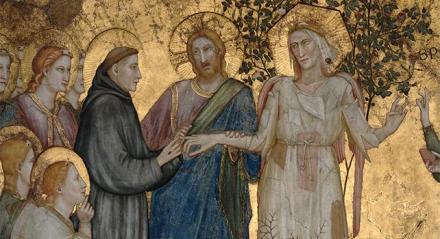
St. Francis was a revolutionary. That’s why I like it. It was in the truest sense of the word. Not a frickin’s son of flowers as a certain culture of the 68-year-old, but a true revolutionary of the Gospel, wants to present him. A prophet who showed who we are, what we want, and where we go. One who took the Church on his shoulders at a very difficult time and brought it to safety. A true instrument of God. The beautiful thing is that he wanted nothing more than to live the Gospel in his life, he did not think of becoming a planetary icon, still fruitful and wonderful. I was distractedly following a broadcast on Rai Story when they interviewed a Franciscan friar who said a phrase about Francis that struck me straight to the heart: Francis was rich in his poverty. It’s a phrase that seems to be built on a contradiction. How do you get rich in poverty? St. Francis was. It was not because poverty can make you rich, but because poverty makes room for those who can make you rich. Outward poverty, poverty in dress, eating, the poverty of those who had nothing was only part of Francis’ poverty. You don’t have to be poor if you vidive the rich. There’s no point in being miserable if that makes you miserable. Francis was able to have a poor heart. That’s what matters most. An empty heart, or rather that he has emptied of himself, that can be filled with God, of love that does not pass and that everything healthy and that everything explains. We’re not like that. We are not able to empty our hearts to make room. To make room for God and to make room for our groom or our bride. It’s easy to see that it’s like that. We are always ready to claim wrongs suffered, true or presumed. We are always ready to highlight what the other should or should not do. Always ready to put our needs before the other. That doesn’t work. So we build weak relationships, based not on love but on the need we have of others to feel good, to satisfy our needs and desires. We are always at the centre of the report. The other becomes a means for and not the recipient of our love. The other becomes something in our possession as the latest model of IPhone. Of course it’s not really like that, but that’s the point. I need that thing to feel good, to get better. This is our poverty. We are poor because we are rich, our hearts are full of us and there is no place for God, for the other and, consequently, for love. St. Francis was rich in his poverty, we are often poor in our wealth. Let’s learn from Francis. We make room and our lives and marriages will become our greatest wealth.

Antonio and Luisa

Siamo poveri della nostra ricchezza!

(English Español)

San Francesco era un rivoluzionario. Per questo mi piace. Lo era nel vero senso della parola. Non un fricchettone figlio dei fiori come vuole presentarlo una certa cultura figlia del sessantotto, ma un vero rivoluzionario del Vangelo. Un profeta che ha mostrato chi siamo, cosa vogliamo e dove andiamo. Uno che si è preso sulle spalle la Chiesa in un momento molto difficile e l’ha portata in salvo. Un vero strumento di Dio. La cosa bella è che lui non voleva fare altro che vivere il Vangelo nella sua vita, non pensava certo di diventare un’icona planetaria, tutt’ora feconda e meravigliosa. Stavo seguendo distrattamente una trasmissione su Rai Storia quando hanno intervistato un frate francescano che riguardo a Francesco ha detto una frase che mi ha colpito dritto al cuore: Francesco era ricco della sua povertà. E’ una frase che sembra costruita su una contraddizione. Come si fa ad essere ricchi della povertà? San Francesco lo era. Lo era non perchè la povertà può renderti ricco, ma perchè la povertà fa spazio a chi ti può rendere ricco. La povertà esteriore, la povertà nel vestire, nel mangiare, la povertà di chi non possedeva nulla era solo una parte della povertà di Francesco. Non serve essere povero se poi invidi chi è ricco. Non serve essere misero se questo ti rende miserabile. Francesco è stato capace di avere un cuore povero. Questo è ciò che più conta. Un cuore vuoto, o meglio che lui ha svuotato di se stesso, che può essere riempito di Dio, dell’amore che non passa e che tutto sana e che tutto spiega. Invece noi non siamo così. Noi non siamo capaci di svuotare il nostro cuore per fare posto. Per fare posto a Dio e per fare posto al nostro sposo o alla nostra sposa. E’ facile capire che è così. Siamo sempre pronti a rivendicare torti subiti, veri o presunti. Siamo sempre pronti a mettere in evidenza ciò che l’altro dovrebbe fare o non dovrebbe fare. Sempre pronti a mettere le nostre esigenze davanti all’altro/a. Tanti litigi sono frutto di due persone che non hanno fatto posto, ma hanno ancora il cuore pieno di se stesse. Così non funziona. Così costruiamo relazioni deboli, fondate non sull’amore ma sul bisogno che abbiamo dell’altro/a per stare bene, per soddisfare i nostri bisogni e i nostri desideri. Siamo sempre noi al centro della relazione. L’altro diventa mezzo per e non destinatario del nostro amore. L’altro/a diventa una cosa in nostro possesso come l’ultimo modello di Iphone. Certo non è proprio così ma il senso è quello. Quella cosa mi serve per stare bene, per stare meglio. Questa è la nostra povertà. Siamo poveri perchè siamo ricchi, il nostro cuore è pieno di noi e non c’è posto per Dio, per l’altro/a e, di conseguenza, per l’amore. San Francesco era ricco della sua povertà, noi, spesso, siamo poveri della nostra ricchezza. Impariamo da Francesco. Facciamo posto e la nostra vita e il nostro matrimonio diventeranno la nostra ricchezza più grande.

Antonio e Luisa

Cliccate qui per entrare nel gruppo whatsapp

Per acquistare il libro Sposi sacerdoti dell’amore cliccate qui

Per acquistare il libro L’ecologia dell’amore cliccate qui

Iscrivetevi al canale Telegram

Iscrivetevi alla nostra pagina facebook

Iscrivetevi alla pagina facebook dell’intercomunione delle famiglie
Take away with Jesus

Today’s Gospel (Luca 19, 1-10) proposes the famous meeting of Zacchaeus with Jesus. This episode is very rich in ideas for reflection and we will have the opportunity to study them soon, God willing. But today we would like to bring to your attention a particular, that is some words that Jesus uses in addressing Zaccheus: << … today I have to stop … >>

Have you ever wondered why Jesus often uses the adverb today? Can we deduce that Jesus had a certain urgency because it was lunchtime, and after many hours of walking he began to feel a certain hunger? Maybe. Or can we deduce that he had an appointment later and therefore had to hurry up with Zacchaeus? Likely. In any case, the Gospel is written like this and we have to start from there. But why is Jesus fixed with today? But can’t he postpone it until later, tomorrow? What a hurry this Jesus!

Yes, exactly so, Jesus is in a hurry. A hurry that is not the frenetic one we know. No, for Jesus it is a holy hurry. It is a hurry to save those who were lost before they are lost forever. How strange, it is God, and as such, it might not give much pain to temporal things, since He is outside human temporal boundaries. But …… this time does not go unnoticed in the eyes of God. Yes, because today is the favorable moment, today you are given another chance, tomorrow you don’t know if it comes for you.

And to us too Jesus addresses the same phrase with our own name. Even today, Jesus wants to stop with us, in our hearts, but also in our home, in our domestic today, in our marriage. Today, because tomorrow, who knows. So let’s not waste a minute today to be able to tell our loved one how much Jesus loves her, but we have to say it and do it with the language that belongs to us: a language made of well ironed shirts and placed in the closet, a flower to our beloved , a slip of paper with words of love slipped under the cup of morning coffee, a welcome to our beloved tonight when he comes home tired from work, etc …

Then Jesus uses the verb “I must”. Why ? Do you have a timetable to follow? Do you have a client who pays you to do it? The doubt that he went to Jericho for Zacchaeus arises. Jesus is indeed a different type from all the others: he invites himself to the people’s home with the verb “I must”. But what drives him to respect this duty? The answer comes from Jesus himself at the end of the passage: << The Son of man in fact came to seek and to save what was lost. >>. And since salvation is urgent, Jesus must. As it happens, it is simply implementing the reality contained in its name. We cannot expect a different Jesus from the Savior. We cannot delude ourselves that Jesus is accommodating in our lives. He must save us, it is his mission. But to do it, he needs us. Even if our marriage is going through a period of tired, dry, of misunderstanding, of coldness, or it seems all over or almost …… we give Jesus an opportunity to fulfill his HAVE TO and make it his own TODAY. Everything seemed lost even to Zacchaeus, and instead salvation, change, conversion came.

Finally, Jesus uses the verb “stop me”. But certainly, Jesus does not like to make a “hit and run”, a “hit and run”. To our mentality now polluted by this world it seems strange that something lasts for so long. By now we also treat Jesus like take away, I take from him what I like, when I like it and then away immediately. A take away faith does not include a permanence of Jesus in the heart. And instead Jesus wants to stop in our heart, in our life, in our home, in our marriage. Give him time, space, head, heart, strength, will, and nothing will be taken away from us, but on the contrary the hundredfold already down here, already today, will be returned to us. So, starting today, let’s take time to pray with our spouse. And when we are far from each other for work, we pray for our spouse.

Courage spouses, that Jesus today must stop in our marriage.

Giorgio and Valentina.

The beautiful death

In recent days my family has experienced an important and intense moment, the death of his grandfather. Important and intense, in fact, not ugly. I can’t say that it was a bad moment, in fact, I can say that it was a good time. And I say this with all due respect for the pain that each of us has experienced.

Yes, dying can be beautiful, not because one does not suffer, but because beyond suffering one can grasp precious gifts, death is never the last word on man, and in this family experience we have touched it with our hands.

We already knew this, for example the story of Chiara Corbella Petrillo had taught us, but to see that even the death of an 89-year-old man, who for some might seem obvious, has something to teach, it really makes me say that “the Kingdom of God is in our midst “, in the ordinariness of life lived with faith.

His grandfather lived his life exactly like that, an honest man in his job as bank manager, a loving husband and father, wise, of few words, but always just and wise, a gentle man who lived to the fullest his life, and that he lived his old age in peace and trust.

With this same peace he faced the last days, where he did not stop smiling in the moments in which he was conscious and met the face of someone next to him, and to thank him. His last words, in the last hours of agony, where he struggled to breathe, was no longer able to eat or drink, without dentures, with a great effort of breath and the whole body were: “Thank you very much “To his sister, who was moistening his lips for a little comfort. How true it is that if we learn to thank, we will do so even in the moment of the most difficult trial, death.

In those hours, fortunately few, I really thought that he was united to Christ in the suffering of the Cross. The last thing he “ate” was in fact a crumb of consecrated host, less than 24 hours before his death: united in suffering for a short distance, to then be united in eternal bliss.

Since the health of the grandfather plummeted within a few days, the sensation was precisely that of having lived a small Easter triduum in the intimacy of our family, from Friday to Sunday, the day on which the grandfather ascended to Father.

Another detail that struck me was that, at one point, we were in five women around him, in his elegant bedroom, and I thought it wasn’t a case. His wife, his daughter, his sister, two grandchildren: the women of the family guarded the situation, consoled, cared for, watched, caressed, sang, prayed. And I’m not saying that family men didn’t do anything, but it was clear to me that the female ministry is really different from the male one. Being near life and near death is feminine, a woman’s caress is different from a man’s caress, a woman’s tenderness is different from the tenderness of which a man is capable. In the Gospel, too, it is women who stop suffering and try to preserve dignity, like Veronica with her gesture left to history, it is women who stand by the cross, it is women who then worry about the body. of Jesus, the next morning.

And as on Sunday morning Maddalena is announced the Resurrection, so also in the Sunday liturgy in which the grandfather ascended to Heaven, the theme was the resurrection. And if the Word speaks to us in concrete life in the here and now, it is impossible not to read it as the certainty that the grandfather was welcomed in the arms of God, in which he always believed.

On the day of the funeral, what a joy it was to discover that the liturgy of the day spoke of the grandfather: in the first reading from the book of Wisdom The souls of the just, instead, are in the hands of God, no torment will touch them. In the eyes of the foolish they seemed to die, their end was considered a disaster, their departure from us a ruin, but they are in peace.

And in the Gospel: So you too, when you have done all that you have been ordered to do, say: “We are useless servants. We did everything we needed to do.

That’s how grandfather died, in the peace of having done everything he “had” to do, in the consolation of having accomplished his mission on this earth, in the joy of having his beloved family next to him.

And the gift of his existence has not ceased with death, because he has left us his spiritual testament, where he thanks for the gifts he has received in life, blesses everyone and recommends “the only important thing in this life and in the future , faith”.

If you liked this article follow us on the facebook page theology of the body & more 😉

Chi non vuol lavorare neppure mangi.

Fratelli, sapete come dovete imitarci: poiché noi non abbiamo vissuto oziosamente fra voi,
né abbiamo mangiato gratuitamente il pane di alcuno, ma abbiamo lavorato con fatica e sforzo notte e giorno per non essere di peso ad alcuno di voi.
Non che non ne avessimo diritto, ma per darvi noi stessi come esempio da imitare.
E infatti quando eravamo presso di voi, vi demmo questa regola: chi non vuol lavorare neppure mangi.
Sentiamo infatti che alcuni fra di voi vivono disordinatamente, senza far nulla e in continua agitazione.
A questi tali ordiniamo, esortandoli nel Signore Gesù Cristo, di mangiare il proprio pane lavorando in pace.

Questa domenica non mi soffermo sul Vangelo. Mi ha colpito la seconda lettura. Vengono riprese alcune righe della seconda lettera di San Paolo ai Tessalonicesi. San Paolo scrive ai Tessalonicesi mentre si trova a Corinto circa nel 50 d.C. Questa epistola, la seconda, tratta in particolare un tema decisivo per noi cristiani. Essere forti nella tribolazione con la speranza che presto verrà la Parusia, cioè la nuova venuta di Cristo. Un discorso escatologico molto complicato e astratto. Vediamo di renderlo concreto nella nostra vita di uomini e donne del nostro tempo, nella nostra storia di sposi cristiani. Per farlo credo sia importante soffermarci su un punto esatto di questa Parola: chi non vuol lavorare neppure mangi. Sembra quasi una minaccia, una punizione. Per certi versi lo è ma non è qualcosa che ci è inflitto ma che ci auto infliggiamo. Cosa voglio dire? La nostra relazione, il nostro matrimonio, la nostra famiglia sono come un campo molto fertile che ci viene affidato. Ci viene affidato da Gesù stesso. Non mancheremo di nulla. Gesù ci promette che ci darà tutto il necessario per coltivare quel campo e fargli dare frutti abbondanti. Unica richiesta che Dio fa a noi sposi è di metterci il nostro lavoro, la nostra fatica, la nostra volontà, la nostra determinazione e il nostro sudore. Spendere tutte le energie che abbiamo per rendere quel campo il più rigoglioso possibile. Per rendere quel campo un’esplosione di colori e di profumi. Per rendere quel campo ricco di ogni frutto per nutrire il nostro cuore e magari darne anche a chi non ne ha. Il matrimonio è questo. Il matrimonio è un sacramento che è in grado di restituire agli sposi l’ordine e la bellezza delle origini (grazie alla redenzione di Cristo) ma non sarà più come prima. Il giardino dell’Eden prima ci era dato ora va costruito giorno dopo giorno con la Grazia di Dio e con tutta la nostra volontà e la nostra dedizione.

Antonio e Luisa

Cliccate qui per entrare nel gruppo whatsapp

Per acquistare il libro Sposi sacerdoti dell’amore cliccate qui

Per acquistare il libro L’ecologia dell’amore cliccate qui

Iscrivetevi al canale Telegram

Iscrivetevi alla nostra pagina facebook

Iscrivetevi alla pagina facebook dell’intercomunione delle famiglie

Children are us who become flesh!

An American study has just been published. An important and significant study by the Centers for Disease and Control Prevention, a US office that deals with prevention and disease at the federal level. A clear picture emerged regarding one aspect in particular. The children of divorced children have a greater chance of contracting more or less serious pathologies. In this category of greatest danger, those who have suffered physical, emotional or sexual abuse, those who have experienced domestic violence, those who have had a family member who has attempted suicide, drug addict or imprisoned are equated . Isomma, this study has highlighted what we already knew: divorce is a very serious trauma comparable to the worst disasters that a child can face. Why is divorce so devastating? Our children were born from that yes that Luisa and I promised ourselves on the wedding day. They are constituted by the love that Luisa and I have concretized that day. They are made biologically of that we. Half of my genetic heritage is mine and the other half is from Luisa. They know they are not just an organic product. They are the fruit of a love. They are the fruit of a union. They are the result of a promise that becomes life. They know they are all this. They do not know how to express it and they are not aware of it, but in their depth they know it very well. That’s why until they were little, they consumed the film of our marriage by watching it. Watching that movie, they were fascinated. They saw joy and love. They saw their parents wanted and loved each other. They saw something wonderful. And they thought. They thought and still think that if it is wonderful, the one from which they were born are also wonderful. If father and mother love each other then it means that they are beautiful, that they are desired, that they are loved. Which are precious! Do you understand the evil that causes divorce in the depths of our children? Separate parents can still love their children individually. They can give them even more attention and care than before, but they cannot avoid their children a deep suffering caused by the destruction of that we. A wound that marks. Dividing and separating they send a clear message: You are the fruit of something that is not beautiful, that I don’t like anymore. This is devastating. Here’s what a child writes to their parents in a letter that you can find on the web:

You are teaching me that I was born of a person who is unlovable and who is wrong, and who I am wrong somehow too

Our children feed on our love. Not only of the love that I can give them as a father, but even more of the love I manifest to their mother. They enjoy seeing my attentions to their mother. They are happy with my embrace and with my caress to their mother. I am telling them that they are precious because the relationship from which they were born is precious.

Pope Francis in 2015 affirmed this truth with very clear and clear words. As if giving a voice to all the children who are victims of divorce:

Husband and wife are one flesh. But their creatures are flesh of their flesh. If we think of the harshness with which Jesus warns adults not to scandalize the little ones – we heard the passage of the Gospel – (see Matthew 18: 6 ), we can better understand his word on the grave responsibility to guard the conjugal bond that starts the human family (see Mt 19.6-9). When the man and the woman have become one flesh, all the wounds and all the abandonments of the father and the mother affect the living flesh of the children.

Antonio and Luisa

I figli sono un noi che si fa carne!

Tool per traduzioni di pagine web
By free-website-translation.comhttp://free-website-translation.com/scripts/fwt.js

E’ appena stato pubblicato uno studio americano. Uno studio importante e significativo del Centers for Disease and Control Prevention, un ufficio statunitense che si occupa di prevenzione e malattie a livello federale. Ne è scaturito un quadro chiaro riguardo un aspetto in particolare. I bambini figli di divorziati hanno maggior possibilità di contrarre patologie più o meno gravi. Vengono equiparati, in questa categoria di maggior pericolo, a chi ha subito abusi fisici, emotivi o sessuali, chi ha vissuto la violenza domestica, a chi ha avuto un familiare che ha tentato il suicidio, tossicodipendente o incarcerato. Isomma, questo studio ha evidenziato quello che già sapevamo: il divorzio è un trauma molto grave paragonabile ai peggiori disastri che un/una figlio/a possono affrontare. Perchè il divorzio è così devastante? I nostri figli sono nati da quel sì che io e Luisa ci siamo promessi il giorno del matrimonio. Loro sono costituiti dall’amore che io e Luisa abbiamo concretizzato quel giorno. Loro sono fatti biologicamente di quel noi. Metà patrimonio genetico è mio e l’altra metà è di Luisa. Loro sanno di non essere solo un prodotto biologico. Loro sono frutto di un amore. Loro sono frutto di un’unione. Loro sono frutto di una promessa che diventa vita. Loro sanno di essere tutto questo. Non lo sanno esprimere e non ne sono consapevoli, ma nel loro profondo lo sanno benissimo. Ecco perchè fino a quando sono stati piccoli hanno consumato il filmino del nostro matrimonio a forza di guardarlo. Guardando quel film ne restavano affascinati. Vedevano gioia e amore. Vedevano i loro genitori che si volevano e si vogliono bene. Vedevano qualcosa di meraviglioso. E pensavano. Pensavano e pensano tutt’ora che se è meraviglioso quello da cui sono nati sono meravigliosi anche loro. Se papà e mamma si vogliono bene allora significa che sono belli, che sono desiderati, che sono amati. Che sono preziosi! Capite il male che provoca il divorzio nella profondità dei nostri figli? I genitori separati possono comunque amare singolarmente i figli. Possono dare loro anche più attenzioni e cura di prima, ma non possono evitare ai loro figli una sofferenza profonda causata dalla distruzione di quel noi. Una ferita che segna. Dividendosi e separandosi lanciano un messaggio chiaro: Voi siete il frutto di qualcosa che non è bello, che non mi piace più. Questo è devastante. Ecco cosa scrive un bambino ai propri genitori in una lettera che potete trovare sul web:

Mi state insegnando che sono nato da una persona che non è amabile e che ha torto, e che in qualche modo sono sbagliato anch’io

I nostri figli si nutrono del nostro amore. Non solo dell’amore che io posso dare loro come papà, ma ancor di più dell’amore che manifesto alla loro mamma. Godono nel vedere le mie attenzioni verso la loro mamma. Sono felici di un mio abbraccio e di una mia carezza alla loro mamma. Sto dicendo loro che sono preziosi perchè è preziosa la relazione da cui sono nati.

Papa Francesco nel 2015 affermò questa verità con parole molto chiare e nette. Come se desse voce a tutti i figli vittime del divorzio:

Marito e moglie sono una sola carne. Ma le loro creature sono carne della loro carne. Se pensiamo alla durezza con cui Gesù ammonisce gli adulti a non scandalizzare i piccoli – abbiamo sentito il passo del Vangelo – (cfr Mt 18,6), possiamo comprendere meglio anche la sua parola sulla grave responsabilità di custodire il legame coniugale che dà inizio alla famiglia umana (cfr Mt 19,6-9). Quando l’uomo e la donna sono diventati una sola carne, tutte le ferite e tutti gli abbandoni del papà e della mamma incidono nella carne viva dei figli.

Antonio e Luisa

Cliccate qui per entrare nel gruppo whatsapp

Per acquistare il libro Sposi sacerdoti dell’amore cliccate qui

Per acquistare il libro L’ecologia dell’amore cliccate qui

Iscrivetevi al canale Telegram

Iscrivetevi alla nostra pagina facebook

Iscrivetevi alla pagina facebook dell’intercomunione delle famiglie

Faith in Christ and the Holy Rheumatism

We share with you a small reflection written on November 1st… as you will read in this text….it rains… and rheumatism can become holy

Have a good read!!!

+++

It will be that it is a month that is raining and it will be that today is the 1st of November… but to me, in addition to being hungry (but this is another story) came wanting to write.

As we said: it’s raining. It rained a lot and these days we were sometimes forced to stay locked in the house.

How nice to be locked in the house.

How beautiful the tepore of the 4 walls that wrap you, the sofa that encloses you like a sandwich does with mortadella (or with tofu if you are vegan)… how nice to stay at home while it’s raining outside and you’re in your little house that was built on the solid Rock.

Yes, your relatives did not expect that in the end you would decide to marry, and no one would bet a penny on the fact that you would even start a conversion journey before you got married.

Well, yes. You did. You did the right thing… you’ve chosen the best part… you chose Jesus… you have chosen to build your wedding on the Rock which is Christ himself.

Good.

And you’re there looking in the mirror and complimenting yourself on how much you’re becoming a Catholic. You’ve even been wearing a sweater on your shirt lately. Mammamy that Catholic you’ve become.

Good.

You chose the best part… Very good, but you’ve left out some tiny details.

You are on the Rock, you are on Christ telling you to follow Him (ehmmmm….a Rock that walks and asks you to be followed should have warned you already…..you are a little dumb, let’s face it).

You fell in love with Jesus when the Blessings made you feel understood… especially you thought that at least every time someone teased you because you have waving ears did not do it in vain, but it served to help you be blessed because they haunt you.

But you forgot that in addition to cuddles (few) and stability (even less… especially the mental one) that Jesus gives you… The Walking Rock also asks you to walk on the water…

(pause riflessiva….ci you were sick eh?)

And you ask yourself: How about the waters? I built on the solid Rock and now I find myself having to walk on the water? It’s like I bought a house in the Dolomites and found myself living in Laguna in Venice??? (They told me I was dumb.)

What’s this story? I want to be reimbursed!!!

I wanted stability: Sun/Heart/Love and now with the flood coming down I have to pander to my daughter who wants to go for a walk and forces me to wet my feet that I’m happier when they are so dry!!!?

It’s raining and I have to go shopping with my wife to that supermarket that as soon as I get in I feel affected by NOIAlgite mortal!!!

The downpour comes down and I must: 1 – Advise the doubters 2 – Teach the ignorant 3 – Admonish the sinners 4 – Consoling the afflicted 5 – Forgive the offenses 6 – Patiently endure the harassing people 7 – Praying God for the living and for the dead (and these things I can do them even comfortably from my couch… but then I also have to: 1 – Feed the hungry 2 – Give to drink to the thirsty 3 – Dress the unsuspecting 4 – Housing pilgrims 5 – Visiting the sick 6 – Visiting prisoners 7 – Burying the dead…

But i mean… in a word: comfort farewell!!!

Then I look at the calendar… Today is November 1st… party of all the saints and I think quickly of some of them and I realize that they are strange people… with his heart on the Rock and his feet in the water… people who went through deluge and thunderstorms with their feet, yet they were stable and their hearts warm… people who came to him with osteoarthritis to the fury of “Stareammmollo” in the events of the world and yet at the time of greeting life they did so with joy and peace.

I think of St. Francis, who died on the damp earth of October at St. Mary of the Angels and I imagine instead his heart sitting permanently next to the throne of God.

How strange… perhaps my marriage – since I married in the Church and received a Sacrament – requires me this: to live by making me the holy rheumatism,typical side effect of a stable love on that Rock called Jesus.

Typical of those who follow the Lord everywhere, even in the storm surges of life.

Love yourself like travel companions!

“”Come back, with confidence and peace, to the thoughts of yesali, followed to tell her the cappuccino: “Ask again to the Lord the graces you asked him, for being a holy wife; and trust that he will give you more abundant, after so much trouble. And you, he said, turning to Renzo, “remember, son, that if the Church makes you this companion, she does not do so to provide you with a temporal and worldly consolation, which, even if it could be whole, and without any mixture of any displeasure, should end up in great pain, at the moment of leaving you; but it does so to start you both on the road of consolation that will not end. Love each other as traveling companions, with this thought of having to leave you, and with the hope of finding yourself forever. Thank the heaven that led you to this state, not by the turbulent cheerfulness and strolling, but with travails and miseries, to arrange yourself for a cheerful harvest and quiet. If God grants you children, aim to raise them for Him, to instill the love of him and all men to them; and then you’ll guide them well in everything else. 

Wonderful lines. These words of Fra Cristoforo are a gem embedded in that masterpiece that is the most important work of Alessandro Manzoni. We’re towards the end of the novel. The plague is loosening its gloomy grip on the city of Milan. Renzo and Lucia survived the epidemic that claimed so many lives. Everything seems to be going well. The two young men find themselves at the lazzaretto. There is something that still prevents their union. He’s not Don Rodrigo anymore. He’s dead. There is perhaps an even more difficult impediment to overcome. Lucia, in the dramatic night spent at the castle of the Unnamed, promised Our Lady to give herself completely to her in virginity, in exchange for liberation. Renzo is desperate. He can’t do it. Fra Cristoforo intervenes and frees Lucia from that vote. After freeing her, she returns her to Renzo with this beautiful speech. Remember, at least to me, by some traits, the biblical story of Tobia and Sara.

Let’s look at this little theological treasure by thought.

  1. Ask the Lord again for the graces you asked him for, for being a holy wife; and trust that he will grant you more abundant, after so much trouble. Holiness is a gift from God. Certainly. It is also an act of personal will and an inclination of the heart. This is equally true. Life’s difficulties are not just a misfortune. They can be a moment of crisis that puts us in front of a choice. Deciding for good and continuing to trust in God with hope, in spite of everything, or surrendering to evil and despair. What happened to Lucia led her towards holiness because she, with the Grace of God, always chose good.
  2. And you, he said, turning to Renzo, “remember, son, that if the Church makes you this companion, she does not do it to provide you with a temporal and worldly consolation, which, even if it could be whole, and without any mixture of any sorrow, should end in great pain, at the moment of leaving you; but it does so to start you both on the road of consolation that will not end. This recommendation reminds us that our spouse is not placed next to us to make us happy, so that he may have to fill that void and those emotional and sexual needs that we feel. Only in God can we find what we lack, and only by feeling loved by Him can we correspond to that love. In marriage we respond to God’s love by loving a creature of his that becomes a mediator between us and Him. Here joy will no longer necessarily be dependent and arise only from what we receive. The gift we will give to the other will also be a source of new life, love and meaning. Everything changes. Marriage changes with this perspective. Marriage thus becomes a school to learn to love. It prepares us for the encounter of love with the groom, with Jesus.
  3. Love each other as traveling companions, with this thought of having to leave you, and with the hope of finding yourself forever. We must not look into our eyes, as if our horizon, our everything, is limited to the other. As we walk together, supporting each other, we must follow that path traced toward eternal holiness and joy in Jesus.
  4. Thank Heaven who led you to this state, not through the turbulent cheerfulness and strolling, but with travails and miseries, to arrange you for a cheerful harvest and quiet. This step reconnects to the first point. Marriage rests on the rock in faith, of course, but also in the strength that is generated in facing difficulties together. What allows us to experience the unconditional and authentic love of the other is not found in the tranquility of serene periods, but in the stormy waters of difficult times. When loving becomes a difficult choice, fidelity to promise, mutual support, mercy given to one another and the gaze that never ceases to see the beauty of our union, become cement for the relationship.
  5. If God grants you children, aim to raise them for Him, to instill the love of him and all men to them; and then you will guide them well in everything else. This passage is also beautiful. If your love takes flesh, it is realized in a new creation, in a new life, always remember who created you and those who re-created you in a us, in a soul and a single heart. Bring that creature back to the source of everything, to the source of your love, to the source of Love. This is marriage. This is our way to holiness

Alessandro Manzoni gave us a moment of pure theology. He did it his way. With the beauty he manages to convey with his writing. He did it through the words of a cappuccino friar. A consecrated to God who shows the bride and groom, who are also consecrated in a different way, the purpose of their vocation: to prepare for the eternal wedding with the Bride who never disappoints.

Antonio and Luisa

Amatevi come compagni di viaggio!

To read in English

E’ significativo il fatto che alcune delle parole più belle sul matrimonio siano state pronunciate da un religioso, Fra Cristoforo, che nel capitolo XXXVI de I promessi sposi pronuncia il discorso d’addio ai protagonisti:

“ – Tornate, con sicurezza e con pace, ai pensieri d’una volta, seguì a dirle il cappuccino: – chiedete di nuovo al Signore le grazie che Gli chiedevate, per essere una moglie santa; e confidate che ve le concederà più abbondanti, dopo tanti guai. E tu, – disse, voltandosi a Renzo, – ricordati, figliuolo, che se la Chiesa ti rende questa compagna, non lo fa per procurarti una consolazione temporale e mondana, la quale, se anche potesse essere intera, e senza mistura d’alcun dispiacere, dovrebbe finire in un gran dolore, al momento di lasciarvi; ma lo fa per avviarvi tutt’e due sulla strada della consolazione che non avrà fine. Amatevi come compagni di viaggio, con questo pensiero d’avere a lasciarvi, e con la speranza di ritrovarvi per sempre. Ringraziate il cielo che v’ha condotti a questo stato, non per mezzo dell’allegrezze turbolente e passeggiere, ma co’ travagli e tra le miserie, per disporvi a una allegrezza raccolta e tranquilla. Se Dio vi concede figliuoli, abbiate in mira d’allevarli per Lui, d’istillar loro l’amore di Lui e di tutti gli uomini; e allora li guiderete bene in tutto il resto.

Righe meravigliose. Queste parole di Fra Cristoforo sono una gemma incastonata in quel capolavoro che è l’opera più importante di Alessandro Manzoni. Siamo verso la fine del romanzo. La peste sta allentando la sua cupa morsa sulla città di Milano. Renzo e Lucia sono sopravvissuti all’epidemia che ha mietuto tantissime vittime. Tutto sembra procedere per il meglio. I due giovani si ritrovano al lazzaretto. C’è qualcosa che ancora impedisce la loro unione. Non è più don Rodrigo. E’ morto. C’è un impedimento forse ancor più difficile da superare. Lucia, nella drammatica notte passata al castello dell’Innominato, ha promesso alla Madonna di donarsi completamente a Lei nella verginità, in cambio della liberazione. Renzo è disperato. Non riesce a capacitarsi. Fra Cristoforo interviene e libera Lucia da quel voto. Dopo averla liberata la riconsegna a Renzo con questo bellissimo discorso. Ricorda, almeno a me, per certi tratti, la vicenda biblica di Tobia e Sara.

Analizziamo pensiero per pensiero questo piccolo tesoro teologico.

  1. Chiedete di nuovo al Signore le grazie che Gli chiedevate, per essere una moglie santa; e confidate che ve le concederà più abbondanti, dopo tanti guai. La santità è un dono di Dio. Certamente. E’ anche un atto di volontà personale e un’inclinazione del cuore. Questo è altrettanto vero. Le difficoltà della vita non sono solo una disgrazia. Possono essere un momento di crisi che ci mette di fronte ad una scelta. Decidere per il bene e continuare a confidare in Dio con speranza, nonostante tutto, oppure arrendersi al male e alla disperazione. Quanto accaduto a Lucia l’ha condotta verso la santità perchè lei, con la Grazia di Dio, ha scelto sempre il bene.
  2. E tu, – disse, voltandosi a Renzo, – ricordati, figliuolo, che se la Chiesa ti rende questa compagna, non lo fa per procurarti una consolazione temporale e mondana, la quale, se anche potesse essere intera, e senza mistura d’alcun dispiacere, dovrebbe finire in un gran dolore, al momento di lasciarvi; ma lo fa per avviarvi tutt’e due sulla strada della consolazione che non avrà fine. Questa raccomandazione ci ricorda che il nostro coniuge non ci è posto accanto per farci felici, affinché debba riempire quel vuoto e quei bisogni affettivi e sessuali che avvertiamo. Solo in Dio possiamo trovare ciò che ci manca e solo sentendoci amati da Lui possiamo corrispondere a quell’amore. Nel matrimonio rispondiamo all’amore di Dio amando una sua creatura che diventa mediatrice tra noi e Lui. Ecco che la gioia non sarà più necessariamente dipendente e scaturente solo da ciò che riceviamo. Anche il dono che faremo di noi all’altro/a sarà sorgente di vita nuova, di amore e di senso. Tutto cambia. Il matrimonio cambia con questa prospettiva. Il matrimonio diventa così scuola per imparare ad amare. Ci prepara all’incontro d’amore con lo sposo, con Gesù.
  3. Amatevi come compagni di viaggio, con questo pensiero d’avere a lasciarvi, e con la speranza di ritrovarvi per sempre. Non dobbiamo guardarci negli occhi, come se il nostro orizzonte, il nostro tutto, fosse limitato all’altro/a. Tenendoci per mano dobbiamo guardare all’orizzonte eterno che ci sta davanti. Camminando insieme, sostenendoci l’un l’altra dobbiamo percorrere quella strada tracciata verso la santità e la gioia eterna in Gesù.
  4. Ringraziate il Cielo che v’ha condotti a questo stato, non per mezzo dell’allegrezze turbolente e passeggiere, ma co’ travagli e tra le miserie, per disporvi a una allegrezza raccolta e tranquilla. Questo passaggio si ricollega al primo punto. Il matrimonio si puntella sulla roccia nella fede, certamente, ma anche nella forza che si genera nell’affrontare le difficoltà insieme. Ciò che ci permette di sperimentare l’amore incondizionato e autentico dell’altro/a non si trova nella tranquillità dei periodi sereni, ma nelle acque burrascose dei momenti difficili. Quando amare diventa una scelta difficile ecco che la fedeltà alla promessa, il sostegno reciproco, la misericordia donata l’uno all’altra e lo sguardo che non smette mai di scorgere la bellezza della nostra unione, diventano cemento per la relazione.
  5. Se Dio vi concede figliuoli, abbiate in mira d’allevarli per Lui, d’istillar loro l’amore di Lui e di tutti gli uomini; e allora li guiderete bene in tutto il resto. Bellissimo anche questo passaggio. Se il vostro amore prende carne, si concretizza in una nuova creazione, in una una nuova vita, ricordatevi sempre chi vi ha creato e chi vi ha ri-creato in un noi, in un’anima e un cuore solo. Riconducete quella creatura alla sorgente di tutto, alla sorgente del vostro amore, alla sorgente dell’Amore. Questo è il matrimonio. Questa è la nostra strada verso la santità

Alessandro Manzoni ci ha regalato un momento di pura teologia. Lo ha fatto a suo modo. Con la bellezza che riesce a trasmettere con la sua scrittura. Lo ha fatto per mezzo delle parole di un frate cappuccino. Un consacrato a Dio che mostra agli sposi, consacrati anch’essi in modo diverso, il fine della loro vocazione: prepararsi alle nozze eterne con lo Sposo che non delude mai.

Antonio e Luisa

Cliccate qui per entrare nel gruppo whatsapp

Per acquistare il libro Sposi sacerdoti dell’amore cliccate qui

Per acquistare il libro L’ecologia dell’amore cliccate qui

Iscrivetevi al canale Telegram

Iscrivetevi alla nostra pagina facebook

Iscrivetevi alla pagina facebook dell’intercomunione delle famiglie

What are we willing to sacrifice (make sacred)?

How much does our faith cost us? What and how much are we willing to sacrifice for God? Sacrifice in the true sense of the term. What are we willing to make sacred? It is true, there are Christians who come to give their lives in so many parts of the world, but not us in the West (at least for now). There are Muslims who accept so many precepts and prohibitions. That they do not eat certain foods, that do not drink alcohol, that fast during the month of Ramadan. We are often not even able to respect Lent fasting. Luisa recounts how she was raised by a Moroccan pupil who in the summer, during the eighth grade exam, did not drink and eat and never complained about anything. We can’t do that anymore. Not even these little waivers. We’ve softened. Of course there is always the risk that a religiosity made of rules and precepts will turn into something only external, something to do to feel good without changing the heart. The question I asked at the beginning remains: what hard are we willing to do for God? Are we able to “pay” something or do we want a zero-cost faith? A zero-cost faith is probably worth what it costs, that is, nothing. Even our faith actually, if we think about it, “imposes” on us of relinches. We don’t remember them because we don’t want to remember them, but they are there. I can think of two in particular. Two waivers that touch on two very similar areas. One, I have already mentioned, is Lent fasting. The other is about sex. Chastity! Help that word out of fashion! Chastity before marriage (abstinence) and chastity after marriage (living the ampleino in the truth of love). Living a sexuality that is an expression of authentic love and not of a simple drive to satisfy, that perhaps we embellish with love. Two waivers, food and sex, which are not ends in themselves. Through these demands God the Father and Mother Church want to educate her children, each of us. Educate us to be people who are aware, fully human and capable of being kings and queens of our lives and impulses. How can we give ourselves if we don’t own each other? How can we give our sexuality and our bodies if we ourselves do not govern them but suffer them? God does not ask us to give up something for Him, but to sacrifice something, that is, to make it his own. Our sacrificed sexuality becomes something really wonderful, because lived in the light of full and true love. So chastity will not be something castatal but will become educating. By struggling we can really learn to put the other and his good at the center and not our ego and our cravings. Then abstinence from relationships before marriage will become a channel to express all our desire and attraction to the other in selfless and free gestures of tenderness, which will then become very important during the marriage. The man (more regards the man this danger) who does not get used to exercising tenderness out of the sexual context then in marriage will do the same, making soon feel his bride used. The sexual desert soon makes it to arrive (as it happens for many married couples). Premarital chastity is the true test of love. Many young people ask for proof of love: if you really love me, let us make love. My bride asked me for another proof of love: if you really love me, let’s wait for the wedding. I assure you it cost me a lot, but I never regretted it. Those who practice chastity are willing to give up their strong desire to sexually join each other for something greater. He’s telling the other one I want you everything, I don’t just want your body. All or nothing. Love is like that. At least the real one. When we are one in my heart, when I have given you my whole life in the forever of the marriage then I will also want your body because only then will I be worthy of such a precious gift. Only then will I enter my garden as a king, as a queen and not as a thief who takes something that does not belong to him. God does not ask us for a sterile effort, if he asks for himself something of ours is to give it back even greater and more beautiful. So is chastity. It takes our sexuality and makes it a way to feel like people are full, to feel completely loved and to experience paradise. Many have sex, few make love, Christian spouses re-actualize a sacrament. It’s not the same thing. Trust.

Antonio and Luisa

Cosa siamo disposti a sacrificare (rendere sacro)?

To read in English

Quanto ci costa la nostra fede? Cosa e quanto siamo disposti a sacrificare per Dio? Sacrificare nel vera accezione del termine. Cosa siamo disposti a rendere sacro? E’ vero, ci sono cristiani che arrivano a dare la vita in tante parti del mondo, ma non noi in occidente (almeno per ora). Ci sono musulmani che accettano tanti precetti e divieti. Che non mangiano determinati cibi, che non bevono alcolici, che digiunano durante il mese di Ramadan. Noi non siamo spesso capaci neanche di rispettare il digiuno quaresimale. Luisa racconta come sia rimasta edificata da una sua alunna marocchina che in estate, durante l’esame di terza media, non ha bevuto e mangiato e non si è mai lamentata di nulla. Noi non ne siamo più capaci. Neanche di queste piccole rinunce. Ci siamo rammolliti. Certo c’è sempre il rischio che una religiosità fatta di regole e precetti si trasformi in qualcosa di solo esteriore, qualcosa da fare per sentirsi a posto senza cambiare il cuore. Resta la domanda che ho fatto all’inizio: noi che fatica siamo disposti a fare per Dio? Siamo capaci di “pagare” qualcosa o vogliamo una fede a costo zero? Una fede a costo zero probabilmente vale ciò che costa, cioè nulla. Anche la nostra fede in realtà, se ci pensiamo bene, ci “impone” delle rinunce. Non le ricordiamo perchè non le vogliamo ricordare, ma ci sono. Me ne vengono in mente due in particolare. Due rinunce che toccano due ambiti molto simili. Una, l’ho già accennata, è il il digiuno quaresimale. L’altra riguarda il sesso. La castità! Aiuto che parola fuori moda! Castità prima del matrimonio (astinenza) e castità dopo il matrimonio (vivere l’amplesso nella verità dell’amore). Vivere cioè una sessualità che sia espressione di amore autentico e non di una semplice pulsione da soddisfare, che magari imbellettiamo di amore. Due rinunce, il cibo e il sesso, che non sono fini a se stesse. Attraverso queste richieste Dio Padre e Madre Chiesa vogliono educare i suoi figli, ognuno di noi. Educarci per farci persone consapevoli, pienamente umane e capaci di essere re e regine della nostra vita e delle nostre pulsioni. Come possiamo donarci se non ci possediamo? Come possiamo donare la nostra sessualità e il nostro corpo, se noi stessi non li governiamo ma li subiamo? Dio non ci chiede di rinunciare a qualcosa per Lui, ma di sacrificare qualcosa, cioè di renderla sua. La nostra sessualità sacrificata diventa qualcosa di davvero meraviglioso, perchè vissuta alla luce dell’amore pieno e vero. Così la castità non sarà qualcosa di castrante ma diventerà educante. Facendo fatica possiamo davvero imparare a mettere al centro l’altro/a e il suo bene e non il nostro ego e le nostre voglie. Allora l’astinenza dai rapporti prima del matrimonio diventerà canale per esprimere tutto il nostro desiderio e l’attrazione verso l’altro/a in gesti di tenerezza disinteressati e gratuiti, che diventeranno poi importantissimi durante il matrimonio. L’uomo (riguarda più l’uomo questo pericolo) che non si abitua ad esercitare la tenerezza fuori dal contesto sessuale poi nel matrimonio farà altrettanto, facendo presto sentire la sua sposa usata. Il deserto sessuale fa presto ad arrivare (come accade per tante coppie sposate). La castità prematrimoniale è la vera prova d’amore. Tanti giovani chiedono la prova d’amore: se mi ami davvero dimostramelo, facciamo l’amore. La mia sposa mi ha chiesto un’altra prova d’amore: se mi ami davvero dimostramelo, aspettiamo il matrimonio. Vi assicuro che mi è costato tantissimo, ma non me ne sono mai pentito. Chi pratica la castità è disposto a rinunciare al suo desiderio fortissimo di unirsi sessualmente all’altro/a per qualcosa di più grande. Sta dicendo all’altro io ti voglio tutto/a, non voglio solo il tuo corpo. O tutto o niente. L’amore è così. Almeno quello vero. Quando saremo uno nel cuore, quando ti avrò dato tutta la mia vita nel per sempre del matrimonio allora vorrò anche il tuo corpo perchè solo allora sarò degno di un dono tanto prezioso. Solo allora entrerò nel mio giardino come un re, come una regina e non come un ladro che prende qualcosa che non gli appartiene. Dio non ci chiede una fatica sterile, se lui chiede per sè qualche cosa di nostro è per restituircela ancora più grande e più bella. Così è la castità. Prende la nostra sessualità e la rende un modo per sentirci persone piene, per sentirci completamente amati e per fare esperienza di paradiso. Molti fanno sesso, pochi fanno l’amore, gli sposi cristiani riattualizzano un sacramento. Non è la stessa cosa. Fidatevi.

Antonio e Luisa

Cliccate qui per entrare nel gruppo whatsapp

Per acquistare il libro Sposi sacerdoti dell’amore cliccate qui

Per acquistare il libro L’ecologia dell’amore cliccate qui

Iscrivetevi al canale Telegram

Iscrivetevi alla nostra pagina facebook

Iscrivetevi alla pagina facebook dell’intercomunione delle famiglie

The right detergent

The recent solemnity of All saints that we celebrated on November 1st gave us a lot of ideas for reflection; this time we want to focus on a detail described in the book Apocalypse (7,14) : They are the ones who come from the great tribulation and who have washed their garments, making them white in the blood of the Lamb. 

Doing a research on The Junior Woodchucks Sun i found that one of the most difficult spots to remove from clothes is blood. Now, either the author of the Apocalypse did not have a copy of the Manual of the Junior Woodchucks (quite likely); or he didn’t have a degree in chemistry and therefore didn’t know the formula of bleach; or, perhaps, I would not like to be the usual one who searches for the mysteries hidden behind the words, he meant without saying. Well, you may have already guessed that the correct answer to this dilemma is the last one: and so we are going to open envelope C.

What did you want to tell us without saying it openly? I don’t think he wanted to tell us to get him a copy of the famous Handbook above. But how strange: the blood of that Lamb instead of leaving indelible stains on the garments, on the contrary, makes them white. Every time we reflect on this Lamb amazes us, it is precisely a Lamb of God, similar but with different characteristics from the usual lambs, we will deepen it soon. So many times we also feel like those who have gone through the great tribulation: work, housing, taxes, mortgages, colleagues, the head of office, our health or our loved ones, the car that is always by the mechanic, the appliances that do not work at duty; with all this stress we already feel ready for Paradise because the situations of this life we consider them a purgatory. Of course, there is no shortage of laments of all this.

But those described in the Apocalypse come from the great tribulation, and it does not look much like the aforementioned list. It can be considered in three stages (equally described in the same book) but essentially it is in the great spiritual battle against the demonic forces of the Antichrist, against the ferocious beast, against Satan and his followers. And as in all battles you can come out winners not without a few scratches, at least a little stains, precisely, on the clothes. In any case, to wash stains from the garments you need the appropriate detergent. And, by chance, the right detergent is the (innocent) blood of that Lamb. That’s it? Yes, but not, too.

Without going into detail, we can infer that, in the spiritual battle, our white robes (symbolically delivered on the day of our Baptism) can be stained. Other articles on this blog have already delved into the risks and dangers of staining our marriage clothes. We just wanted to highlight: no matter what kind of stain you have on your robe; no matter how old the stain is; it doesn’t matter if we hurt each other as newlyweds and thus staining each other; there are no indelible stains for the stainless power of that blood, as long as you agree to go to the right laundry and He will know how to use the proper washing machine with the only powerful bleaching, the divine detergent, which Jesus (an exceptional chemist) has made on the cross, their own precious blood.

Let us do the exercise to remember this the next time we load the dishwasher or washing machine, and this gesture will also become prayer: Lord, help us recognize that our spiritual stains can only wipe you with your divine detergent.

George and Valentina

The newlyweds only talk to each other 35 minutes a week.

Sifting through the various news and curiosities published on the web I found something very interesting. Is it an article entitled Couple Crisis? 8 appointments to save a relationship. Leaving aside the advice that the two psychologists propose that can be more or less shareable what I want to highlight is a fact. A University of California study revealed that married couples (study on a sample of married couples of different ages followed for 13 years) talk for an average of 35 minutes a week. A laughable amount of time when compared with data on smartphone usage. 50% of Italian people who have a smartphone use it for more than 5 hours a day. A huge difference is accentuated by the fact that many of those 35 minutes of dialogue are used to deal with organizational and contingent topics (expenses, commitments, repairs, etc.). In the family ménage there is no time for deep couple dialogue. You don’t look at each other with wonder eyes anymore. Roberta Vinerba writes in her illuminating book “In the Light of Your Eyes”: Two newlyweds, before they no longer speak, no longer look at each other, before the dialogue dies the look. Before the word, they can’t be seen anymore.

Here is the lack of dialogue often expresses a lack of interest in the other. As in an inclined plane the newlyweds are slipping towards indifference. Before we get to the fateful phrase I don’t love you anymore there are so many small steps. The lack of dialogue should be a wake-up call and instead is often seen and accepted as something inevitable. Taken from so many thoughts and commitments there is no time for these boyfriends’ trifles. The Pope in Amoris Laetitia tells us that this is not the case: After the love that unites us with God, conjugal love is the “greatest friendship”. It is a union that possesses all the characteristics of a good friendship: the search for the good of the other, reciprocity, intimacy, tenderness, stability, and a similarity between friends that is being built with shared life. But marriage adds to all this an indissoluble exclusivity, which is expressed in the stable project of sharing and building together all existence.

Dialogue is essential to keep a relationship alive and make it more and more beautiful and luxuriant. The love of friendship between the newlyweds is no less important than eros or service. Without friendship, eros and agape also become difficult and unwanted expressions of love. If there is no intimacy of the heart made of deep dialogue where we newlyweds open our hearts to the other, where we tell about our labors, our joys, our sorrows, our fears, in short everything we have in our hearts, sooner or later, we will stop wanting each other and also searching physically. Like in a vicious circle that takes us further and further away from each other. Instead, it’s important to find time every day to talk to each other at least a little bit. Luisa and I always try to find time to talk. We’re looking for it because we think it’s a priority. It happens, for example, that some days I decided to enter later at work and accompany Luisa to her school. When we arrive at the village we enter a bar, order hood and croissant and sit at a fairly secluded coffee table. Those minutes are precious. It’s just our moment. We talk about everything, but in the end it does not matter so much what we say, the beautiful thing is to be able to savor the encounter, the presence of the other that fills us and satiates us. It is a very beautiful moment of intimacy that allows us to start the day with so much peace and joy.

Antonio and Luisa

Eternal love. But in heaven?

At that time, some Sadduceans approached Jesus, who denied that there was a resurrection, and asked him this question:
“Master, Moses has prescribed us: If someone dies a brother who has a wife, but without children, his brother will take his widow and give a lineage to his brother.
There were therefore seven brothers: the first, after taking his wife, died without children.
Then he took the second
and then the third and so all seven; and they all died without leaving children.
Finally, the woman also died.
So this woman, in the resurrection, who will be a wife? Because all seven had it as a wife.”
Jesus answered, “The children of this world take a wife and take husbands;
but those who are judged worthy of the other world and of the resurrection by the dead, do not take a wife or husband;
nor can they die anymore, because they are equal to angels and, being children of the resurrection, are children of God.
That then the dead rise, Moses also pointed it out to the bush, when he calls the Lord: God of Abraham, God of Isaac and God of Jacob.
God is not God of the dead, but of the living; because everyone lives for him.” (Luke 20,27-38.)

We try to contextualize this gospel. Who were the sadduceans? The Sadduceans were the helite of the Jewish-Palestinian society of Jesus’ time. From them came that ruling and priestly class that often represented the Jews in front of the Romans. They were few but very influential. They did not believe, and that is what interests us most, in eternal life and resurrection from the dead. Jesus, through this word, wanted to highlight how on this point the Sadducei are wrong and confirms that we are instead made to live forever. God is not the God of the dead, but of the living. This blog helps us reflect on our call to spousal love, and this gospel poses an important question. What will our life be like in God’s eternal life? What will the relationship between the newlyweds be like?

We don’t know it as we know almost nothing about eternal life. It is something that does not yet belong to us and that we cannot understand. There are, however, some reflections that we can make by taking on some reality and truth that we know.

Marriage is a vocation. Through marriage we can respond to God’s love. The other becomes a mediator between us and God. By loving the other, we can love God. By loving the brother/sister we see and touch, we can love God that we do not see. Marriage is a sacrament of the body. The body is an integral part of marriage. We can only live our marriage through the body. Our deepest and most spiritual part (the will, the soul, the heart) is not enough, but it is necessary that the love that arises in our deepest and most intimate part can become visible and concrete through the body. There is no marriage without the first physical relationship.

From these truths of our faith it is clear that marriage ceases with death. In paradise we can love God directly without any mediation. The main purpose of the marriage is therefore diminished. Our body will also be different, it will be transfigured, we do not know how but we know that it will be different. It is therefore uncommon and plausible to believe that our sexuality can be experienced as we live it now.

So there will be no more marriage, Jesus confirms it too, but we can really think that the Quattrocchi spouses, Martin, Pietro and Gianna Beretta Molla, and many other couples who have embodied a wonderful marriage love then do not bear the signs even in the eternal life? I can’t believe it. For sure, more than a certainty is a hope, it will remain a special friendship. I am sure that Luisa will have a special place in my heart even in Paradise. Everything I’ve built with her in this life doesn’t erase, she doesn’t reset. All gestures of tenderness, care, intimacy, forgiveness, listening, presence, sharing joys and sorrows, all these experiences remain imprinted indelibly in my heart. On the day I die, I’m going to leave everything here in this life. In my suitcase I will carry only my heart, the love given and received and she is an integral part of it. I am sure that on our wedding day, June 29, 2002, a relationship began that will last forever. In eternal life it will certainly be different and transfigured, but even more beautiful and wonderful because it lived in the light and in the presence of God.

Pope Francis in Amoris Laetitia quotes a statement by Thomas D’Aquino that you can read in Summa contra Gentiles. A phrase that explains precisely the whole meaning of this article: After the love that unites us with God, conjugal love is the “greatest friendship”. I think this will be true forever. This friendship will never be taken away from us.

Antonio and Luisa

Un amore eterno. Ma in paradiso?

To read in English

In quel tempo, si avvicinarono a Gesù alcuni sadducei, i quali negano che vi sia la risurrezione, e gli posero questa domanda:
«Maestro, Mosè ci ha prescritto: Se a qualcuno muore un fratello che ha moglie, ma senza figli, suo fratello si prenda la vedova e dia una discendenza al proprio fratello.
C’erano dunque sette fratelli: il primo, dopo aver preso moglie, morì senza figli.
Allora la prese il secondo
e poi il terzo e così tutti e sette; e morirono tutti senza lasciare figli.
Da ultimo anche la donna morì.
Questa donna dunque, nella risurrezione, di chi sarà moglie? Poiché tutti e sette l’hanno avuta in moglie».
Gesù rispose: «I figli di questo mondo prendono moglie e prendono marito;
ma quelli che sono giudicati degni dell’altro mondo e della risurrezione dai morti, non prendono moglie né marito;
e nemmeno possono più morire, perché sono uguali agli angeli e, essendo figli della risurrezione, sono figli di Dio.
Che poi i morti risorgono, lo ha indicato anche Mosè a proposito del roveto, quando chiama il Signore: Dio di Abramo, Dio di Isacco e Dio di Giacobbe.
Dio non è Dio dei morti, ma dei vivi; perché tutti vivono per lui». (Luca 20,27-38.)

Cerchiamo di contestualizzare questo Vangelo. Chi erano i sadducei? I sadducei erano l’elitè della società ebraico-palestinese del tempo di Gesù. Da loro proveniva quella classe dirigente e sacerdotale che spesso rappresentava gli ebrei di fronte ai romani. Erano pochi ma molto influenti. Non credevano, ed è quello che più ci interessa, nella vita eterna e nella resurrezione dai morti. Gesù, attraverso questa parola, ha voluto mettere in evidenza come su questo punto i sadducei sbagliano e conferma che siamo invece fatti per vivere in eterno. Dio non è il Dio dei morti, ma dei vivi. Questo blog aiuta a riflettere sulla nostra chiamata all’amore sponsale e questo Vangelo pone una questione importante. Come sarà la nostra vita nell’eterno di Dio? Come sarà la relazione tra gli sposi?

Non lo sappiamo come non sappiamo quasi nulla della vita eterna. E’ qualcosa che non ci appartiene ancora e che non possiamo comprendere. Ci sono però alcune riflessioni che possiamo fare assumendo alcune realtà e verità che conosciamo.

Il matrimonio è una vocazione. Attraverso il matrimonio possiamo rispondere all’amore di Dio. L’altro/a diventa mediatore tra noi e Dio. Amando l’altro/a possiamo amare Dio. Amando il fratello/la sorella che vediamo e che tocchiamo possiamo riamare Dio che non vediamo. Il matrimonio è un sacramento del corpo. Il corpo è parte integrante del matrimonio. Noi possiamo vivere il nostro matrimonio solo attraverso il corpo. Non basta la nostra parte più profonda e spirituale (la volontà, l’anima, il cuore) ma serve che l’amore che nasce nella nostra parte più profonda ed intima possa diventare visibile e concreto attraverso il corpo. Non c’è infatti matrimonio senza il primo rapporto fisico.

Da queste verità della nostra fede è chiaro che il matrimonio cessa con la morte. In paradiso potremo amare Dio direttamente senza più nessuna mediazione. Viene meno quindi lo scopo principale del matrimonio. Anche il nostro corpo sarà diverso, sarà trasfigurato, non sappiamo come ma sappiamo che sarà diverso. E’ quindi poco sensato e plausibile credere che la nostra sessualità possa essere vissuta come la viviamo ora.

Quindi non ci sarà più matrimonio, lo conferma anche Gesù, ma davvero possiamo pensare che i coniugi Quattrocchi, i coniugi Martin, Pietro e Gianna Beretta Molla, e tante altre coppie che hanno incarnato un amore matrimoniale stupendo poi non ne portino i segni anche nella vita eterna? Non ci credo. Di sicuro, più che una certezza è una speranza, resterà un’amicizia particolare. Sono sicuro che Luisa avrà un posto speciale nel mio cuore anche in Paradiso. Tutto quello che ho costruito con lei in questa vita non si cancella, non si resetta. Tutti i gesti di tenerezza, di cura, di intimità, di perdono, di ascolto, di presenza, di condivisione di gioie e dolori, tutte queste esperienze restano impresse in modo indelebile nel mio cuore. Il giorno della mia morte lascerò tutto qui in questa vita. Nella mia valigia porterò solo il mio cuore, l’amore dato e ricevuto e lei ne è parte integrante. Sono sicuro che il giorno del nostro matrimonio, il 29 giugno 2002, è iniziata una relazione che durerà per sempre. Nella vita eterna sarà sicuramente diversa e trasfigurata, ma ancora più bella e meravigliosa perchè vissuta nella luce e alla presenza di Dio.

Papa Francesco in Amoris Laetitia cita un’affermazione di Tommaso D’Aquino che potete leggere nella Summa contra Gentiles. Una frase che spiega in modo preciso tutto il senso di questo articolo: Dopo l’amore che ci unisce a Dio, l’amore coniugale è la «più grande amicizia». Credo che questo sarà vero  per sempre. Questa amicizia non ci verrà mai tolta.

Antonio e Luisa

Cliccate qui per entrare nel gruppo whatsapp

Per acquistare il libro Sposi sacerdoti dell’amore cliccate qui

Per acquistare il libro L’ecologia dell’amore cliccate qui

Iscrivetevi al canale Telegram

Iscrivetevi alla nostra pagina facebook

Iscrivetevi alla pagina facebook dell’intercomunione delle famiglie

A look always to rebuild, not to destroy more

Today we’re talking about guilt. A bride wrote to me asking me to help her figure out how to deal with guilt. She married and let herself be wooed by another man. Not only did she feel gratified and pleased with her colleague’s attentions. She realized the danger and cut it all off. She also wanted to talk to her husband about it to keep him informed and to apologize to him.

Is it right that you feel guilt? I’d say so. There’s already a little betrayal in his attitude. She shifted the focus from the marriage relationship to another relationship. His guilt, however, must be constructive and not destructive. What do I mean? Guilt is a good thing when it sounds like a wake-up call. She realized that she was seeking the attention and care she wanted no longer in her husband, but in a third person. This convinced her to change course and direct her gaze towards the groom. It’s not enough, though. Now she and her husband must, must, reflect and ponder why she is faced with this danger, temptation, weakness, call her what you will. Many betrayals and then separations are born thus. They must reflect well; this escaped danger is a sign that something in their relationship is to be put right. It often happens that the ordinary life of a family leads to take for granted. Gradually you lose sight and slip into the absence of loving dialogue. Dialogue made of gestures of tenderness and mutual care. Here, this situation can be an opportunity to put the dynamics of couple in place, to start looking again with the eyes of the person who loves and who cares about the other. What could be a mortal danger to the couple can turn into a beginning of rebirth and renewal. It’s up to the couple to take advantage of it.

When is the guilt not good? When it’s destructive. When, the risk is there, you identify with that behavior that we had. This bride feels wrong because she indulged in misbehavior. Nothing more harmful. We make mistakes, we fall into small and big temptations, but we are not those mistakes. We can with our choices remedy, or when it is not possible at least to change attitude is to learn from those mistakes. The bride who wrote to me feeling bad about her behavior should focus more on her positive reaction that prevented that little betrayal from becoming something more serious and perhaps irreparable. That bride should focus now not on her misbehavior, but on the cause that caused it. This is the way to deal with a guilty sense in a winning way, this is the way to start again stronger and with more conviction than before.

Antonio and Luisa

Uno sguardo sempre per ricostruire, non per distruggere di più

(to read in english click)

Oggi parliamo di sensi di colpa. Mi ha scritto una sposa chiedendomi di aiutarla a capire come affrontare il senso di colpa. Lei sposata si è lasciata corteggiare da un altro uomo. Non solo si è sentita gratificata e a provato piacere nelle attenzioni del collega. Lei si è resa conto del pericolo e ha troncato tutto. Ha voluto anche parlarne con il marito per metterlo al corrente e per scusarsi con lui.

E’ giusto che lei provi un senso di colpa? Direi di si. C’è già un piccolo tradimento nel suo atteggiamento. Ha spostato l’attenzione dalla relazione matrimoniale ad un’altra relazione. Il suo senso di colpa deve essere però costruttivo e non distruttivo. Cosa voglio dire? Il senso di colpa è una cosa buona quando suona come un campanello d’allarme. Lei si resa conto che stava ricercando l’attenzione e la cura che desiderava non più nel marito, ma in una persona terza. Questo l’ha convinta a cambiare rotta e ridirigere il suo sguardo verso lo sposo. Non basta però. Ora deve, anzi devono insieme lei e il marito, riflettere e meditare sul perché lei sia incorsa in questo pericolo, tentazione, debolezza, chiamatela come volete. Molti tradimenti e poi separazioni nascono così. Devono riflettere bene; questo pericolo scampato è un segno che qualcosa nel loro rapporto è da mettere a posto. Spesso accade che la vita ordinaria di una famiglia porti a darsi per scontati. Pian piano ci si perde di vista e si scivola nell’assenza di dialogo amoroso. Dialogo fatto di gesti di tenerezza e cura vicendevoli. Ecco, questa situazione può essere un’occasione per mettere apposto le dinamiche di coppia, per ricominciare a guardarsi con gli occhi della persona che ama e che ci tiene all’altro/a. Quello che poteva essere un pericolo mortale per la coppia può trasformarsi in un inizio di rinascita e rinnovamento. Sta alla coppia approfittarne.

Quando invece il senso di colpa non va bene? Quando è distruttivo. Quando, il rischio c’è, ci si identifica con quel comportamento che abbiamo avuto. Questa sposa si sente sbagliata perché ha assecondato un comportamento sbagliato. Nulla di più dannoso. Noi commettiamo errori, cadiamo in piccole e grandi tentazioni, ma non siamo quegli errori. Possiamo con le nostre scelte porre rimedio, o quando non è possibile almeno cambiare atteggiamento è imparare da quegli errori. La sposa che mi ha scritto sentendosi cattiva per il suo comportamento dovrebbe concentrarsi maggiormente sulla sua reazione positiva che ha evitato che quel piccolo tradimento potesse diventare qualcosa di più grave e forse irreparabile. Quella sposa dovrebbe concentrarsi ora non sul suo comportamento sbagliato, ma sulla causa che lo ha provocato. Questo è il modo per affrontare in modo vincente un senso di colpa, questo è il modo per ripartire più forte e con più convinzione rispetto a prima.

Antonio e Luisa

Cliccate qui per entrare nel gruppo whatsapp

Per acquistare il libro Sposi sacerdoti dell’amore cliccate qui

Per acquistare il libro L’ecologia dell’amore cliccate qui

Iscrivetevi al canale Telegram

Iscrivetevi alla nostra pagina facebook

Iscrivetevi alla pagina facebook dell’intercomunione delle famiglie
St. Francis, the wolf… and us

Dearest, what we share today is the result of several days of preparation, prayer and reflection.

We hope you can enjoy this article… that can be a fruitful read for you.

Have a good read and “The Lord give you peace.”

+++

The XXI chapter of the Flowers of the Life of St. Francis (Francis Sources No.1852) tells the famous story of the great, terrible and ferocious Wolf who appeared outside the walls of Gubbio during the period when Francis lived in that city.

A wolf that devoured animals and humans so much that the locals no longer had the courage to go to the countryside.

Out of compassion for these people but also for the wolf, Francis wanted to go against this animal despite everyone advising him…

… and making the sign of the holy cross (…) Saint Francis took the path to the place where the wolf was. And here … the said wolf meets Saint Francis, with his mouth open; and by sticking to him, Saint Francis makes the sign of the cross,and i call him and say:

“Come here, Brother Wolf, I command you on Christ’s side that you do not hurt me or person.”

(…) as soon as Saint Francis had made the cross, the terrible wolf closed his mouth and ran again: and made the commandment, he was meekly like a lamb, and i.e. all the feet of Saint Francis to lie. And St. Francis spoke to him like this:

«Brother wolf, you do a lotof damage in these parts, and … you have had to kill men made to the image of God; for which you are worthy of the forks (…).

But I want, brother wolf, to make peace between you and them, so that you no longer offend them, and they forgive you every past offense, and neither men nor dogs pursue you any more.”

And he said these words, the wolf with acts of body and tail and ears and bowing his head showed to accept what St. Francis says and to want to observe it.

Then Holy Francis said, “Wolf friars, for you like to do and keep this peace, I promise you that I will make you give the expenses continuously, while you will live, from the men of this earth, so that youwill not suffer more hunger; that I know well that because of hunger you have done every wrong.

(…) Brother wolf, I want you to give me this promise, and i want you to trust it.”

And stretching the hand of Saint Francis to receive his faith, the wolf raised the right pea before it, and dimetically can put it over the hand of Saint Francis, giving him that signal that he could of faith. (…)

This beautiful event of the life of St. Francis of Assisi has much to teach in our everyday life, it has much to say to our way of living relationships with people.

Of course we do not live in 1200 and to see a wolf now you have to go miles and go into the reserves, but today as then evil exists and every day we experience it.

Wolves around we see many, but the problems begin when a certain amount of nastiness we find in our loved ones, when for example the wolf has the face of a son who abuses us, when the wolf has the face of a friend who betrays us , when the wolf resembles our husband screaming or our wife who no longer speaks to us.

How did St Francis bring the Wolf closer?

Following his example, maybe we can find the key to getting us out alive and saving the wolf… Already… Francis did not propose (he could do so) to organize a team of armed people to kill the wolf; He knows that this is not the real solution to human conflict.

Let’s take it one step at a time imagining that we are together with St. Francis, there… in the countryside and woods outside the city of Gubbio.

1) THE SIGN OF THE CROSS.

The first thing we see is this: St. Francis makes the sign of the Cross. First on himself and then on the wolf.

This gesture is very significant, which evokes a very specific fact.

Before, St. Francis was a rich young man from Assisi who, when he saw lepers, ran away like lightning.

One day Francis meets, in St. Damian, the gaze of Christ crucified. A wooden board that represents the image of Jesus, known as the “Crucifix of San Damiano”.

From the encounter with that gaze Francis is reborn. Start a new life with the repentance of his sins. Before Jesus’ eyes, Francis recognizes the evil in his heart and regrets it bitterly.

We could say that Francis was a Wolf. Then meeting Christ becomes a forgiven Wolf.

But back to the story:

Francis makes himself the Sign of the Cross. It’s not a good luck gesture… With the sign of the Cross Francis remembers being a Wolf forgiven by Christ… and it is only then that he can go and meet the Wolf of the wild that awaits him with his mouth wide open.

Francis goes to the wolf and manages to approach him because he sees him as like himself.

He knows the wolf in front of him, he knows how to speak to him because he knows very well the wolf that lives in his heart.

Francis is a sinner like all men, but thanks to his encounter with the Crucified Christ, thanks to the forgiveness that Jesus offers him every time in confession… he can stop being afraid of himself and all the men in the world… were also the fiercest, the meanest, the most leper.

And that’s how the wolf feels recognized and treated for what it is: a hungry creature of God.

Francis knows that it is hunger that makes the wolf carry out his murders; but he also knows that the wolf is hungry for caresses, of tenderness… that at the bottom of his heart there is a puppy wounded by life, that at the bottom of the heart of the Wolf there is Christ waiting to come out, to live and to give true life to the Wolf.

Like each of us, as in each of us.

So what… So what… even in our human relationships (friendships, marriage, etc.) we are called to recognize the wolf that we carry in our hearts and to bring it to Christ in confession.

Christ with His sacramental Forgiveness will handcuff our wolf and thus we can go to the Wolf who lives in the heart of the other without judgment and without resentment.

2) “… I COMMAND YOU ON THE PART OF CHRIST…”

Francis enters into dialogue with the wolf not alone, but with Christ.

… in the name of Christ…” Francis teaches us to live all relationships by placing Jesus at the center.

Francis commands the wolf not to do more harm and does so in the name of Christ.

Between him and the wolf there is Christ, as Christ is between him and his friars, between him and his parents, between him and St. Clare, between him and the sultan when he goes to the holy land. In all his relationships Francis brings Christ in.

Francis tells us that one enters into a relationship with one’s neighbour in a way not only human, but also divine.

Placing Christ at the center, as it happens sacramentally in Christian Marriage, means wanting to live in the presence of God, wanting to speak, wanting to greet, wanting to sweep the house, wanting to love and also wanting to quarrel always in the presence of Christ.

It means turning our everyday life into a way of becoming saints for Christ.

If we decide to enter into a relationship with our neighbour by passing from Christ then our relationships will be renewed, they will be more authentic because we in the company of Christ are called and helped to be authentic.

We still emphasize that Francis pronounces the Name of Christ.

In this regard, it should be remembered that the Very Holy Name of Jesus Christ is powerful. In His name there is His own presence and naming Him makes him present. The Name of Jesus drives away demons, heals and heals, in His Name we are saved.

Francis knows this very well and “goes into armed battle”, goes into battle to restore peace together with Jesus himself.

Let us also do it when we want Christ to live in our lives; so that peace may return in our hearts and relationships: “Jesus, help me to forgive that person who…”, or “Even if you have hurt me, I give you a kiss in the Name of Jesus.” Let’s try it and we’ll see the results.

3) “WOLF FRIAR, YOU DO A LOT OF DAMAGE IN THESE PARTS…”

Following our dear Francis of Assisi, we see that he turns to the Wolf calling him “Brother”.

Did the Wolf make vows of chastity, poverty, and obedience? Of course not.

Francis calls him a friar, or brother. He recognizes in him the dignity of god’s creature and therefore his brother, even if his brother is behaving badly.

And he has no qualms about reminding his wolf brother of all the evil he has done to others.

Francis does not pretend anything, he knows that peace is built with two ingredients: justice and forgiveness.

Francis calls evil by name, he is not afraid to do so. Evil is evil. The wolf made a mistake, he committed acts that made others suffer and this Francis tells him clearly.

Truth is necessary.

Telling those who hurt us that he did wrong is important.

Why, however, does the wolf not tear Francis after he has also reproached him?

Here is perhaps an answer: Francis throughout his life has shown that he does not want to feel better than any bad wolf and it is so, starting from the humility that he can say to the wolf these words of truth because in them there is no condemnation towards the wolf, but only towards his actions .

In other words, the wolf can’t be heard saying, “You suck!” … but the wolf’s heart hears: “What you did sucks, but you’re not what you did… you are precious in spite of the evil you have done.”

It is the sin that is condemned, not the sinner.

It is the betrayal of our spouse that must be condemned, not our spouse… it is the unjust slander made by our friend that must be condemned… our friend should not be condemned. It is the bullying at work that we have suffered that must be condemned, not the employer who bullied us.

This is the style of Christ and Francis knows it well. And apply what he has learned from Christ.

4) “… THAT I KNOW WELL THAT BECAUSE OF HUNGER YOU HAVE DONE EVERY WRONG.”

Another step Francis takes is to understand the motivations that have led the wolf to behave in an evil way.

We too, if we really want to pursue Peace and walk the path taught by Christ, must try to put ourselves in the shoes of others. even as our worst enemy and try to understand what may have led him to sin, to do that evil.

Francis knows that the wolf acted so out of hunger: hungry for food, but – perhaps – also hungry for attention, hunger for security, power…

Francis recognizes what is in his heart the wolf, remembering all the “appetites” that have led him in the past to be a superficial and self-centered young man.

Francis knows that the heart of the wolf is similar to his. And he’s not wrong, because he is.

Both have flesh hearts.

Francis’ heart has only one difference from that of the wolf: Francis’ heart knows that despite his misery, the Lord forgives his “hunger”… his sinful appetites.

Mercy precedes repentance… for Francis did not convert because someone made him feel guilty, but because looking at the love of Christ he knew to throw himself into the arms of those who loved him despite all the weight of his sick heart.

How many times do we have a family… when we scold someone (husband, wife, children) feeling better, that person doesn’t change.

When we recognize that we are all “fallible” and we all make mistakes… and let us note with love and sweetness the mistake to the other… here comes the repentance of the person who made a mistake from that loving and welcoming attitude.

Now the wolf, after feeling welcomed as a brother, after someone has spoken to him in truth and given him mercy… Now the Wolf must take a decisive step:

5) “… BROTHER WOLF, I WANT YOU TO GIVE ME FAITH IN THIS PROMISE””

The Wolf is a welcomed brother, he is rehabilitated… but to an essential condition: he must repent and make the firm decision not to hurt others anymore.

It is the act of will required of each of us and no one can be “saved” without his own consent.

The Wolf is there. Francis said and did what Christ taught him. Now it’s Wolf’s turn. The Wolf can choose whether to refuse or accept forgiveness.

Accepting forgiveness means for him to have a new life with the help of the people of the country – who are committed to helping him, feeding him and loving him and this tells us that the good and healing of others is not easy, but always requires our commitment and our Help.

Rejecting forgiveness means choosing to continue living alone, in the woods, and dying of hunger and malice.

The choice is up to the wolf. And Francis cannot decide in his place. Even Christ cannot choose in place of a person who does not wish to repent despite the possibility of doing so.

We know that in the story told the Wolf accepts forgiveness and makes a promise never to commit the evil he had done before again.

But how would it have been if the wolf had refused forgiveness?

What was Francis supposed to do for the wolf?

Francis should have prayed every day for him… and who knows how many wolves Francis wore in his heart… people he prayed for every day because they had rejected repentance and forgiveness.

That is also the case in our relations.

“Loveyour enemies, pray for those who persecute you”… the act of love of prayer is always necessary for every wolf to… Including us… we can accept forgiveness even on the verge of death.

CONCLUSIONS:

We ask the Lord to have a true vision of ourselves, to see that we are no better or worse than our spouse, our children, our friends, our enemies.

We ask for the gift of walking a path to the healing of the heart. a healing that begins when we do not judge ourselves and judge others, when we say:

“Youwolf friar you are thief and murderer”… just like me. Come brother, let us walk together in the sign of the Cross, walk together in the Name of Jesus Christ, and he will lead us to true Peace.

In praise of Christ and the poor man of Assisi,

Peter and Philomena, Sposi&Spose di Cristo

Like two skaters

Marriage is a wonderful adventure. The person with whom you have decided to bond for life is never the same. There was a very interesting movie a few years ago. 50 times the first kiss. A brilliant comedy of what only Americans can do. The movie is cute though nothing to say. The interesting thing, which made me think, was the basic idea of the film, that the loved one should be conquered every day. Of course it’s an exaggeration, a cinematic gimmick, but it hides a truth. We are never the same, day after day who we are and how we relate to other people evolves and is influenced by so many factors. Probably in the short term you don’t realize it, but if today I look back and look at who I was on the wedding day, I can only see that I am a very different person, and the same goes for my bride. The relationship is not a straight and stumbled road, where you can distract yourself and operate the autopilot, but it is more like a wire on which to walk with the constant danger of falling. It is exactly like a thread, and we the balancers who, day after day, step by step, must rediscover the center of gravity with small adjustments now to the right and now to the left. Over time you get used to walking on a wire, it is easier to understand in advance any dangers and gusts of wind that can make the path more unstable, but you should never lower your attention thinking you possess the art of walking on the rope or, without realizing it, you find yourself without support and with your butt on the ground. What do I mean by this picture? That marriage is wonderful precisely because we don’t own it. Our relationship must be constantly adjusted and rebalanced because it changes, just as we change. We are used to noticing the physical changes that with the passage of years are more and more evident, but also our way of relating, of showing love and tenderness, of being newlyweds changes with the passage of time. What allows us not to fall is our ability to find ourselves and to accept this challenge every day, this to fall asleep in the evening and wake us up different, an imperceptible diversity, but that as the days go by, if we are not able to find the centre of gravity, it could prove uncontrollable and would no longer allow us to recognize in our bride the one we wanted to marry.

I’ll leave you with a quote from another movie, Casomai:

And how do you imagine the love between a man and a woman?

You know what? I often beg myself watching television when there are pairs of artistic skaters on the ice… I’m fascinated… So unstable on those blades, on that slippery ground… and yet they give me an idea of great stability… they’re elegant… give the idea of a perfect understanding… Do you understand what I mean?

Antonio and Luisa

Come due pattinatori

(To read in English click here)

Il matrimonio è un’avventura meravigliosa. La persona con la quale si è deciso di legarsi per la vita non è mai la stessa. C’era un film di qualche anno fa molto interessante. 50 volte il primo bacio. Una commedia brillante di quelle che solo gli americani sanno fare. Il film è carino anche se nulla di eccezionale. La cosa interessante, che mi ha fatto riflettere, è stata l’idea di base del film, che la persona amata vada conquistata ogni giorno. Certo è un’esagerazione, una trovata cinematografica ma nasconde una verità. Noi non siamo mai gli stessi, giorno dopo giorno chi siamo e come ci relazioniamo con le altre persone evolve e viene influenzato da tanti fattori. Probabilmente nel breve periodo non ce ne si rende conto, ma se oggi mi guardo indietro e osservo chi ero il giorno del matrimonio, non posso che constatare di essere una persona molto diversa, e lo stesso vale per la mia sposa. La relazione non è una strada dritta e senza inciampi, dove si può distrarsi e azionare il pilota automatico,  ma è più simile a un filo sul quale camminare con il continuo pericolo di cadere. E’ esattamente come un filo, e noi gli equilibristi che, giorno dopo giorno, passo dopo passo, dobbiamo ritrovare il baricentro con piccoli aggiustamenti ora a destra e ora a sinistra. Col tempo ci si abitua a camminare su un filo, è più facile capire in anticipo eventuali pericoli e folate di vento che possono rendere il cammino più instabile, ma non si deve mai abbassare l’attenzione pensando di possedere l’arte del camminare sulla corda o, senza accorgersene, ci si ritrova senza appoggio e con il sedere a terra. Cosa voglio dire con questa immagine? Che il matrimonio è meraviglioso proprio perché non lo possediamo. La nostra relazione va continuamente aggiustata e riequilibrata perché cambia, esattamente come cambiamo noi. Noi siamo abituati a notare i cambiamenti fisici che con il passare degli anni sono sempre più evidenti, ma anche il nostro modo di relazionarci, di mostrarci amore e tenerezza, di essere sposi cambia con il passare del tempo.  Quello che ci permette di non cadere è la nostra capacità di ritrovarci e di  accettare questa sfida ogni giorno, questo addormentarci alla sera e svegliarci diversi, una diversità impercettibile, ma che col passare dei giorni, se non si è capaci di ritrovare subito il baricentro, potrebbe rivelarsi incontrollabile e non ci permetterebbe più di riconoscere nella nostra sposa colei che abbiamo voluto sposare.

Vi lascio con una citazione da un altro film, Casomai:

E come ve l’immaginate l’amore tra un uomo e una donna?

Sa una cosa? Spesso m’incanto a guardare la televisione quando ci sono le coppie di pattinatori artistici sul ghiaccio… Mi affascinano… Così instabili su quelle lame, su quel terreno così scivoloso… eppure mi danno un’idea di grande stabilità… sono eleganti… danno l’idea di un’intesa perfetta… Capisce cosa intendo?

Antonio e Luisa

Cliccate qui per entrare nel gruppo whatsapp

Per acquistare il libro Sposi sacerdoti dell’amore cliccate qui

Per acquistare il libro L’ecologia dell’amore cliccate qui

Iscrivetevi al canale Telegram

Iscrivetevi alla nostra pagina facebook

Iscrivetevi alla pagina facebook dell’intercomunione delle famiglie

She doesn’t know who I am anymore, but I know who she is

What I tell you today is the story of a great love. So great that it seems unreal, impossible, a love of those told in the movies. In fact, it is very reminiscent of the plot of a film that Luisa and I watched together: The Notebook. A film that we loved because it relied on our nostalgia to live that kind of love. We had been married for a few years and were savoring and slowly discovering the wonder of spousal union made of totality and gratuitousness. In that movie there is a phrase that struck me in a particular way. She, elderly and ill with Alzheimer’s, stayed by her side day after day and told her, through the pages of a diary, their love story. To the children who asked him why his insistence on being next to his wife who did not recognize him answered with the most beautiful and truer statement he could give: She no longer knows who I am, but I know who she is. A beautiful film, which was very successful and that you probably saw too. Browsing the net, I was looking for information for a meeting that I have to prepare with Luisa, I found the true story of Jack and Phyllis Potter. An elderly British married couple. Jack met Phyllis during World War II in 1941. Jack used to keep a diary and always wrote down a thought every day. That evening in 1941, when he met Phyllis, he wrote in his journal: It was a fantastic afternoon. I danced with a wonderful girl. I hope to see you again. Not only did they see each other again but they married and their lives together, their love, their joys, their sorrows, found their place in the pages of Jack’s diary. In recent years Phyllis has begun to lose her memory, to no longer recognize the man who has been with her for more than seventy years. Jack didn’t lose heart, though. He took his diary and chose to continue to love his bride, although she can give him nothing but an often absent presence. Jack Potter reads those pages every day to his wife, who often can’t even recognize him, to keep their memories alive,fighting against the disease.
A love without time and without borders. That continues to live in the words of this man in love, who confirms daily his love for the woman of his life. Just like in love movies. Just like in the movie Jack doesn’t stop giving himself to his Phyllis because, even if she no longer recognizes him, he knows very well who she is. She is the one to whom she promised love forever, unconditional and free love. This is spousal love: difficult but wonderful.

Antonio and Luisa

Click here to join the whatsapp group

Subscribe to the Telegram channel

Sign up for our facebook page

Lei non sa più chi sono io, ma io so bene chi è lei

(To read in English click here)

Quella che vi racconto oggi è la storia di un amore grande. Tanto grande che sembra irreale, impossibile, un amore di quelli raccontati nei film. In effetti ricorda molto la trama di un film che Luisa ed io abbiamo guardato insieme: Le pagine della nostra vita. Un film che ci era piaciuto molto perchè faceva leva proprio sulla nostra nostalgia di vivere quel tipo di amore. Eravamo sposati da pochi anni e stavamo assaporando e scoprendo pian piano la meraviglia dell’unione sponsale fatta di totalità e gratuità. In quel film c’è una frase che mi aveva colpito in modo particolare. Lei, anziana e malata di Alzheimer, lui che le restava accanto giorno dopo giorno e le raccontava, attraverso le pagine di un diario, la loro storia d’amore. Ai figli che gli chiedevano il perchè di quella sua insistenza nello stare accanto alla moglie che non lo riconosceva lui rispondeva con l’affermazione più bella e più vera che potesse dare: Lei non sa più chi sono io, ma io so bene chi è lei. Un film bello, che ha avuto molto successo e che probabilmente avete visto anche voi. Navigando in rete, stavo cercavo informazioni per un incontro che devo preparare con Luisa, ho trovato la storia vera di Jack e Phyllis Potter. Una coppia di anziani sposi inglesi. Jack incontrò Phyllis durante la seconda guerra mondiale, nel 1941. Jack aveva l’abitudine di tenere un diario e ha sempre annotato un pensiero ogni giorno. Quella sera del 1941, quando incontrò Phyllis, scrisse sul suo diario: È stato un pomeriggio fantastico. Ho ballato con una ragazza meravigliosa. Spero di rivederti. Non solo si rividero ma si sposarono e la loro vita insieme, il loro amore, le loro gioie, i loro dolori, trovarono posto nelle pagine del diario di Jack. Negli ultimi anni Phyllis ha cominciato a perdere la memoria, a non riconoscere più l’uomo che le è stato accanto per più di settant’anni. Jack non si è però perso d’animo. Ha preso il suo diario e ha scelto di continuare ad amare la sua sposa, anche se lei non può restituirgli nulla se non una presenza spesso assente. Jack Potter ogni giorno legge quelle pagine alla moglie, che spesso non riesce neanche a riconoscerlo, per mantenere vivi i loro ricordi, lottando contro la malattia.
Un amore senza tempo e senza confini. Che continua a vivere nelle parole di quest’uomo innamorato, che conferma quotidianamente il suo amore per la donna della sua vita. Proprio come succede nei film d’amore. Proprio come nel film Jack non smette di donarsi alla sua Phyllis perchè, anche se lei non lo riconosce più,  lui sa benissimo chi è lei. Lei è colei a cui ha promesso amore per sempre, amore incondizionato e gratuito. Questo è l’amore sponsale: difficile ma meraviglioso.

Antonio e Luisa

Cliccate qui per entrare nel gruppo whatsapp

Per prenotare il libro Sposi sacerdoti dell’amore cliccate qui

Per acquistare il libro L’ecologia dell’amore cliccate qui

Iscrivetevi al canale Telegram

Iscrivetevi alla nostra pagina facebook

Iscrivetevi alla pagina facebook dell’intercomunione delle famiglie

L’amore illumina le tenebre della guerra

Oggi è il 4 novembre. Una data importante. Poco più di cento anni fa finiva l’inutile strage, come ebbe a definirla il pontefice del tempo Benedetto XV. Terminava la Grande Guerra. Una guerra combattuta da tanti giovani provenienti da tutta l’Italia. Parlo di ragazzi di circa venti anni. Gente semplice. Molti erano contadini. Ragazzi che non sapevano nulla di geopolitica e dei giochi di potere messi in atto dai governanti del tempo. Voglio ricordarla a modo mio. Questo è un blog che si occupa di amore e di matrimonio. Ecco, parlerò esattamente di questo. Lascerò la parola ad uno di quei giovani. Un ragazzo con la maturità dell’uomo. Uno che già sapeva cosa significa amare. Non ha avuto bisogno di corsi prematrimoniali. Un marito capace di un amore vero, autentico. Un amore che per lui è motivo per andare avanti. Un amore che diventa forza e speranza. Un amore che diventa più forte della morte, delle trincee. delle cannonate e della paura prima di una carica all’esercito nemico. Un amore che, come scrive il nostro giovane soldato, per poter essere più forte di quell’orrore in cui si trova, deve essere vero e grande. Deve essere fedele, costante, indissolubile. Quanti oggi saprebbero scrivere oggi le stesse parole? Quanti oggi le saprebbero solo pensare e credere?

Dervio, 4 marzo 1917

Mio unico amore,
sento il bisogno di scriverti perché aspettando la tua risposta attenderei a lungo. […] Ora dunque mi sono messo qui al tavolo per scriverti perché sento che avrei bisogno di dirti tante cose.
Ma non so spiegarmi; quando ti ho detto che ti voglio sempre tanto bene ho detto tutto. Che mai non posso distaccare il mio pensiero da te, dalla mia famiglia, che solo per essa tutto sopporto, tutto soffro, tutto spero e ho fiducia che un giorno bello, pieno di sole e di vita mi sarà dato di abbracciarti e per non distaccarmi mai più. Ieri […] andai a fare […] una bellissima passeggiata a Bellano e a Varenna […] Che bei paesi, che ville, che vigne, giardini, ulivi, fiori e sempre camminate sulle rive del lago. In quelle ore pensavo a te e mi ricordavo di quella nostra passeggiata che facemmo a Salò e Riva il giorno delle nostre nozze! Mi sembrava proprio che le onde del lago, la severità e la dolcezza insieme dei monti mi sussurrassero all’orecchio e mi ripetessero quelle parole d’amore e quei baci che tu mi prodigavi in quella passeggiata e in quel giorno sì tanto solenne per noi. Invece ero solo, ma sentivo però il mio spirito volare, attraverso lo spazio, venirti a cercare e invitarti di unirti meco a contemplare queste meraviglie della natura, poiché tutte parlavano d’amore. Ma un amore fedele, costante, indissolubile. E questo io lo sento, lo nutro per te e capisco che non viene mai meno, anzi aumenta sempre più e volge all’infinito. […]
Sento che sono ancora degno di te, del tuo amore che mi immagino sarà sempre puro, immacolato come il mio. Per cui sento che ho bisogno di una tua parola che mi rinfranchi, che mi dica che mi ami ancora, sempre, che mi aspetti, che mi farai felice.

E’ incredibile davvero come in mezzo alle tenebre il cuore dell’uomo retto non smetta di cercare il bello e il buono della vita. Non smetta di cercare l’amore perchè l’amore, alla fine, è l’unica cosa che conta.

Concludo con una recente canzone interpretata da Elisa che racconta esattamente questo grande amore. L’amore durante la Grande Guerra.

Antonio e Luisa

Cliccate qui per entrare nel gruppo whatsapp

Per prenotare il libro Sposi sacerdoti dell’amore cliccate qui

Per acquistare il libro L’ecologia dell’amore cliccate qui

Iscrivetevi al canale Telegram

Iscrivetevi alla nostra pagina facebook

Iscrivetevi alla pagina facebook dell’intercomunione delle famiglie
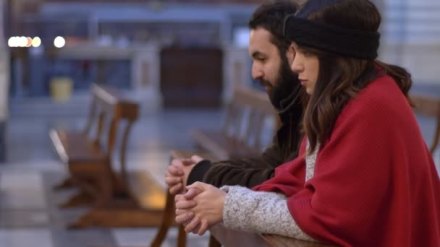
Oggi la salvezza è entrata in questa casa

In quel tempo, Gesù entrato in Gerico, attraversava la città.
Ed ecco un uomo di nome Zaccheo, capo dei pubblicani e ricco,
cercava di vedere quale fosse Gesù, ma non gli riusciva a causa della folla, poiché era piccolo di statura.
Allora corse avanti e, per poterlo vedere, salì su un sicomoro, poiché doveva passare di là.
Quando giunse sul luogo, Gesù alzò lo sguardo e gli disse: «Zaccheo, scendi subito, perché oggi devo fermarmi a casa tua».
In fretta scese e lo accolse pieno di gioia.
Vedendo ciò, tutti mormoravano: «E’ andato ad alloggiare da un peccatore!».
Ma Zaccheo, alzatosi, disse al Signore: «Ecco, Signore, io do la metà dei miei beni ai poveri; e se ho frodato qualcuno, restituisco quattro volte tanto».
Gesù gli rispose: «Oggi la salvezza è entrata in questa casa, perché anch’egli è figlio di Abramo;
il Figlio dell’uomo infatti è venuto a cercare e a salvare ciò che era perduto».

(Luca 19, 1-10)

Siamo tutti Zaccheo. Abbiamo tutti dentro qualcosa di marcio, qualcosa di cui ci vergogniamo. Noi siamo bravi a trovare mille giustificazioni ma dentro di noi conosciamo bene le nostre miserie, debolezze, fragilità e i nostri peccati.

Capita, però, qualcosa di inaspettato, insperato. Gesù attraverso gli occhi di una persona ti guarda e ti dice: sbrigati! Devo venire a casa tua. La casa, segno dell’intimità e della quotidianità. Quella persona è il tuo sposo, la tua sposa. Tu, profondamente indegno, accogli nella tua casa, nella tua vita, questa persona, e accogliendo lei accogli Cristo, che attraverso il sacramento del matrimonio viene ad abitare la tua unione d’amore. Lo sguardo d’amore di quella persona ti cambia dentro e accade qualcosa di incredibile. Tu, così debole e fragile, ti alzi in piedi (risorgi) e converti la tua vita. La salvezza entra nella tua vita grazie a Gesù e a quella persona, perchè nel matrimonio Gesù preferisce non manifestarsi direttamente a te ma lo fa attraverso colui/colei che ti ha messo al fianco.

Io sono Zaccheo, sono salito sul sicomoro perchè ero attratto da Gesù anche se non lo conoscevo e Lui mi ha guardato, attraverso lo sguardo di una donna. Da lì è iniziato il mio cammino che spero mi conduca alla salvezza.

Antonio e Luisa

Cliccate qui per entrare nel gruppo whatsapp

Per prenotare il libro Sposi sacerdoti dell’amore cliccate qui

Per acquistare il libro L’ecologia dell’amore cliccate qui

Iscrivetevi al canale Telegram

Iscrivetevi alla nostra pagina facebook

Iscrivetevi alla pagina facebook dell’intercomunione delle famiglie

Il beato sa riempirsi di Dio.

In quel tempo, vedendo le folle, Gesù salì sulla montagna e, messosi a sedere, gli si avvicinarono i suoi discepoli.
Prendendo allora la parola, li ammaestrava dicendo:
«Beati i poveri in spirito, perché di essi è il regno dei cieli.
Beati gli afflitti, perché saranno consolati.
Beati i miti, perché erediteranno la terra.
Beati quelli che hanno fame e sete della giustizia, perché saranno saziati.
Beati i misericordiosi, perché troveranno misericordia.
Beati i puri di cuore, perché vedranno Dio.
Beati gli operatori di pace, perché saranno chiamati figli di Dio.
Beati i perseguitati per causa della giustizia, perché di essi è il regno dei cieli.
Beati voi quando vi insulteranno, vi perseguiteranno e, mentendo, diranno ogni sorta di male contro di voi per causa mia.
Rallegratevi ed esultate, perché grande è la vostra ricompensa nei cieli».

(Matteo 5, 1-12)

La liturgia di oggi ci offre questo passo del Vangelo. Beati, viene ripetuta più volte questa Parola. Chi sono i beati per Gesù e per gli ebrei in genere? Beato era colui che si lasciava guidare dalla sapienza di Jahvé espressa nella Torah, senza cedere alle seduzioni del male; colui che amava la Legge trovando in essa la propria soddisfazione. Il Beato era colui che sapeva e riusciva a mettere Dio e la sua legge prima di ogni altra cosa, prima della propria condizione e prima, anche, della propria vita. Gesù parla di beatitudine e di consolazione, in altre versioni tradotta con ricompensa. Ri-compensa. Compensare ancora. Cosa significa? Significa riempire di nuovo. Significa che c’è un vuoto che Dio riempie di nuovo con la Sua Grazia e il Suo amore. Significa che quando ci sono incomprensioni, litigi, divisioni, sofferenze, rancori e tutte quelle “belle” bestioline che albergano nella nostra relazione, possiamo reagire in due modi. Possiamo riempire quel vuoto che queste situazioni generano in noi con noi stessi, cioè con la nostra povertà. Possiamo, quindi, riempirlo con le nostre urla, parole di ghiaccio, rivendicazioni, con la nostra freddezza, con la nostra vendetta. Possiamo riempirlo con tutto ciò che siamo capaci di dare in quel momento, che non è nulla di buono e di costruttivo. Oppure possiamo fermarci un attimo. Possiamo affidare tutto a Dio nella preghiera e chiedergli di perdonare il nostro coniuge che in quel momento ci sta facendo male con il suo comportamento, con le sue parole e con i suoi atteggiamenti. Possiamo dare tutto a Dio e chiedergli di aiutarci con la Sua Grazia e di riempire Lui quel vuoto, quel dolore, quella divisione. Così accade il miracolo. Così potremo essere un miracolo per nostro marito e nostra moglie. Riusciremo così a riempire quella relazione ferita con la ricchezza del perdono e dell’amore che si fa dono gratuito e misericordioso. Un amore che non viene dalla nostra povertà, ma dalla Grazia infinita si Dio. Quante volte lo ha fatto la mia sposa per me. Ben più volte di quanto è stato richiesto a me nei suoi confronti. Beati quei mariti e quelle mogli che riescono a vivere tutto questo perchè avranno la presenza di Dio nella loro casa. Dio non chiede altro che di piantare la sua tenda e di donarci tutto ciò che ci serve per portare a termine questo suo grande progetto per noi e per il mondo: il nostro matrimonio.

Antonio e Luisa

Cliccate qui per entrare nel gruppo whatsapp

Per prenotare il libro Sposi sacerdoti dell’amore cliccate qui

Per acquistare il libro L’ecologia dell’amore cliccate qui

Iscrivetevi al canale Telegram

Iscrivetevi alla nostra pagina facebook

Iscrivetevi alla pagina facebook dell’intercomunione delle famiglie

Dio è grande ma sa farsi piccolo.

Qual è la grandezza di Dio?  Dio è grande in tutto, ma lo è soprattutto quando si fa piccolo. La Sua grandezza verso noi uomini si concretizza soprattutto nel Suo farsi piccolo. Quando Dio crea, dice un detto ebraico poco conosciuto, si ritrae, si contrae per poter dare la vita, per non essere tutto solo Lui. Dalla sua contrazione nasce l’Universo, nasce il Mondo e nasciamo anche noi, nasce l’uomo, che del Creato è il vertice. La grandezza di Dio, quindi, non consiste nel travolgerci con la sua grandezza, ma nella Sua capacità di non farlo, di farsi piccolo per essere accolto da noi. Dio si è autolimitato per permettere una relazione possibile tra noi e Lui. Perchè la desidera. Perchè Lui è amore e vive di questa relazione tra le tre Persone Divine. Ci ama così tanto da essersi fatto uomo, come noi, per poterci abbracciare, sorridere, guardare attraverso il Suo corpo e alla fine donare tutto di sè, sempre attraverso il Suo corpo. Il nostro Dio è vero perchè nessun uomo avrebbe potuto inventarsi un Dio così, nessuno avrebbe potuto avere l’ardire di immaginarsi un Dio così. Per questo non può che essere vero. Arriviamo a noi. Al nostro matrimonio. Cosa ci insegna questa introduzione? La nostra relazione è sacra perchè è immagine della relazione divina. E’ immagine di Dio. Semplicemente quindi dobbiamo cercare di acquisire lo stile di Gesù nell’amare il nostro sposo o la nostra sposa. Dobbiamo essere  capaci di farci piccoli per far emergere l’altro/a, per aiutare l’altro a sviluppare tutta la sua umanità, il suo essere uomo o il suo essere donna. Come disse sapientemente Papa Francesco nel 2017:

Il marito ha il compito di fare più donna la moglie e la moglie ha il compito di fare più uomo il marito. Crescere anche in umanità. Questo si chiama crescere insieme. Ma questo non viene dall’aria, viene dalle vostre mani, dai vostri atteggiamenti, fate in modo che l’altro cresca, lavorate per questo. 

Spesso siamo portati a fagocitare l’altro/a, a farlo/a a nostra immagine, plasmarlo/a come piace a noi. Vogliamo decidere non solo per la famiglia ma anche per lui/lei. Così facendo ci sembra di prenderci cura e di amare. Non è così. Non è questo il modo di fare di Dio. Dio non ci vuole forzare a nulla. E’ importante comprendere questo per capire finalmente che la nostra sposa è bellissima e merita di avere accanto uno sposo che riconosce in lei una bellezza diversa dalla sua. E’ importante che uno sposo abbia accanto una sposa che desideri amarlo per quello che è senza castrare la sua diversità e la sua virilità. Ciò non significa che tutto vada bene, ognuno di noi ha difetti e atteggiamenti da cambiare. Significa non forzare l’altro ad essere come noi vogliamo, ma provocare in lui/lei il desiderio di cambiare per restituirci l’amore gratuito che noi offriamo senza pretendere nulla da lui/lei. Non per forza ma per amore. L’amore non è fare nostro ma fare posto in noi. Questo è il modo di Dio e questo è ciò che dobbiamo cercare di replicare nella nostra vita. Da soli è quasi impossibile, con la Grazia di Dio possiamo e dobbiamo farcela. Ne va della nostra gioia e della nostra vocazione.

Antonio e Luisa

Cliccate qui per entrare nel gruppo whatsapp

Per prenotare il libro Sposi sacerdoti dell’amore cliccate qui

Per acquistare il libro L’ecologia dell’amore cliccate qui

Iscrivetevi al canale Telegram

Iscrivetevi alla nostra pagina facebook

Iscrivetevi alla pagina facebook dell’intercomunione delle famiglie

Un amore sempre giovane

E’ una cosa che ho sempre creduto. Più passa il tempo e più amo la mia sposa. Veramente ci si rende conto come si diventi una persona sola. Quando si legge sui libri oppure si sentono sacerdoti, vescovi e anche il Papa dire che gli sposi sono immagine di Dio e profezia del Suo amore, non si capisce bene cosa significhi, finchè non si comincia a vivere e sperimentare nella propria intimità come questa realtà spiegata astrattamente abbia un senso e un’autenticità vissuta. Più passano gli anni e più la mia sposa è parte di me, abita non solo la nostra casa,ma ha un posto speciale nel mio cuore. Parafrasando la famosa citazione di San Paolo: Non sono più io che vivo ma tu che vivi in me. E’ davvero così. Dio ha scelto questo modo bellissimo e originale per farsi amare: attraverso un’altra persona affinché camminando insieme possiamo giungere all’abbraccio eterno con Lui. Vi racconto una storia vera. Siamo nel 2013 a Peoria, una cittadina dell’Illinois, negli Stati Uniti. Muore Lorraine Stobaugh. Non vi dice nulla questo nome? Non preoccupatevi, ora vi racconto la sua storia, che non è solo sua, ma è la storia di un amore, di quelli che sono iniziati in un’epoca lontana. Era il 1938. Pensate: l’Europa stava entrando nelle tenebre della seconda guerra mondiale. Era il 1938 e Lorraine incontrava Fred. Nel 1940, Fred sposò la più bella ragazza del mondo, come gli piace ricordarla. E’ iniziato così un matrimonio felice, che è durato ben 73 anni fino alla morte di lei. Fred oggi ha 96 anni, ma questo non lo ha spaventato e ha deciso di dedicare una canzone all’amore della sua vita appena scomparso.  Non ha mai avuto alcuna esperienza musicale, non si è mai dedicato alla musica. Ma quando Fred è rimasto solo in casa seduto nella stanza di fronte a quella che era stata la loro per 73 (avete letto bene) anni, ho sentito che dovevo scrivere una canzone per lei. E ho cominciato a canticchiare…. E’ nata così “Oh Sweet Lorraine”, la sua prima canzone, una canzone d’amore. Testo e musica.

Oh dolce Lorraine, vorrei rivivere dall’inizio il tempo insieme. Oh dolce Lorraine, il tuo ricordo resterà sempre. Oh dolce Lorraine, la vita si vive solo una volta e non torna più.

Ebbene, accade per caso che uno studio di registrazione locale, il Green Shoe, indica, proprio all’inizio dell’estate, un concorso per giovani cantautori della zona. E naturalmente, l’indomito Fred, il cui amore è ancora fresco e giovane come all’inizio, ha pensato bene di iscrivere la sua canzone. Jacob Colgan, il produttore della casa, si è un po’ sorpreso quando, fra le tantissime risposte via mail, una sola gli viene recapitata per posta ordinaria. Una semplice busta, non il solito video o la solita registrazione demo. E’ curioso, decide di aprirla: Ho 96 anni e ho scritto una canzone per ricordare mia moglie. P.S. non canto perché potrei spaventare la gente! Ah, ah. E’ nata così l’idea di produrre gratuitamente la canzone di Fred, coinvolgendo musicisti professionisti. Ne è nato un piccolo gioiello che ha subito conquistato il web, grazie al mini documentario di nove minuti che racconta l’incredibile storia fin dall’inizio.  “Oh Sweet Lorraine” è finita nella Top 10 di iTunes durante le settimane immediatamente successive all’uscita. Questo testimonia come l’amore che dura, il per sempre, scaldi i cuori delle persone come nessun’altra emozione perchè è ciò che ognuno di noi desidera ardentemente, tutti, che lo ammettano o no, provano grande nostalgia verso un amore così.

Ecco il video, l’amore non si può spiegare con le parole ma si può ammirare in chi lo vive.

Antonio e Luisa

Cliccate qui per entrare nel gruppo whatsapp

Per prenotare il libro Sposi sacerdoti dell’amore cliccate qui

Per acquistare il libro L’ecologia dell’amore cliccate qui

Iscrivetevi al canale Telegram

Il talamo nuziale è un recinto sacro

Il talamo nuziale è sacro. L’ho già scritto altre volte, tante altre volte, ma lo ripeto perchè è una realtà poco conosciuta e poco evidenziata. Cercherò di affrontare questo argomento da un’altra prospettiva. C’era, e in parte ancora c’è, una tradizione nel nostro Paese. Una tradizione diffusa soprattutto nel centro sud. Quella di preparare il letto dove i novelli sposi avrebbero passato la prima notte di nozze. Ora si è trasformato tutto in qualcosa di goliardico e spesso anche di cattivo gusto. E’ diventato tutto uno scherzo ma è importante risalire alla fonte per comprendere come in principio c’era qualcosa di tutt’altro che goliardico e stupido. C’era una liturgia, un cerimoniale anche per questa consuetudine. Dovevano essere preposte due giovani donne vergini. A controllare e dirigere il tutto c’erano le donne sposate. In testa le due madri dei futuri sposi. Era importante anche la scelta delle lenzuola. Era d’obbligo fossero bianche e anch’esse vergini, mai utilizzate prima. Come a voler evidenziare come fosse importante che quel gesto così importante fosse riservato solo per una persona: per il marito o per la moglie. Lenzuola bianche per simboleggiare l’importanza di custodire il proprio corpo e la propria intimità solo per quell’uomo o solo per quella donna. Una volta fatto il letto una bambina saliva sul letto e saltava. Un gesto per augurare alla coppia fecondità. Il compito delle donne finiva lì. Completavano l’opera gli uomini (fino a quel momento era loro proibito entrare in camera) che lasciavano sul talamo liquori, soldi, riso e altri prodotti. Il tutto per augurare prosperità e ricchezza. Diventava davvero un rito comunitario. Non mancava infine la benedizione del talamo da parte del sacerdote.  La Chiesa non ha mai sottovalutato questo aspetto, tanto che fino a qualche anno fa era prevista la benedizione da parte del sacerdote del talamo nuziale. Questo gesto aveva un significato molto bello e importante. Il presbitero benedicendo la camera nuziale riconosceva quel luogo come sacer (luogo che appartiene a Dio), quindi sacro. Quello è il luogo dove si completa il rito del matrimonio. Rito che comincia in chiesa con lo scambio delle promesse e si conclude sull’altare del talamo nuziale dove quelle promesse si concretizzano nel dono totale di sè all’altro/a nell’amplesso fisico. Quello è il luogo dove marito e moglie unendo i lori cuori e i loro corpi rinnovano il sacramento delle nozze e, aprendosi così alla vita e all’amore, riattualizzano la presenza di Cristo nella loro unione. Tutta questa attenzione era per il talamo nuziale. Per i nostri avi era naturale pensare al talamo nuziale come luogo sacro. Senza tante catechesi. Il talamo nuziale è il nostro sacer. Sacer deriva dal verbo secare che non significava altro che segare, tagliare.  Sacrato significava ritagliato. Sacer era un quadrato di terra sulla cima di un monte riservato all’uso di Dio. I nostri antenati pensavano che Dio (o gli dei)  abitasse in Cielo. Un po’ come diciamo anche noi. Il cielo era il luogo dove Dio abitava e la montagna, di conseguenza, il luogo più vicino a Dio. Una delle coniugazioni latine  di sacer è sacrum. Da sacrum giungiamo facilmente al nostro termine sacro. Sacro era qualcosa, quindi, di riservato a Dio. Questo significato è stato assunto anche nel cristianesimo ed ora fa parte della  nostra religiosità. Anche per noi cristiani è sacro ciò che è riservato a Dio, è per Dio, appartiene a Dio. Il talamo nuziale è sacro. E’ il nostro sacer. Il nostro recinto dove l’amore donato attraverso il corpo nell’incontro intimo diventa di Dio. Facciamo esperienza di Dio. Diventa vero e proprio sacramento. Sono esagerato? Non credo. Le nostre tradizioni ci dicono che è proprio così. Forse dovremmo riscoprirle.

Antonio e Luisa

Cliccate qui per entrare nel gruppo whatsapp

Per prenotare il libro Sposi sacerdoti dell’amore cliccate qui

Per acquistare il libro L’ecologia dell’amore cliccate qui

Iscrivetevi al canale Telegram

Iscrivetevi alla nostra pagina facebook

Iscrivetevi alla pagina facebook dell’intercomunione delle famiglie